Single Pane vs Double Pane in El Paso: An Honest Comparison
A single pane is a view with almost no insulation; a sealed double-pane unit is a view with a working barrier against heat, cold and noise.
Read the Guide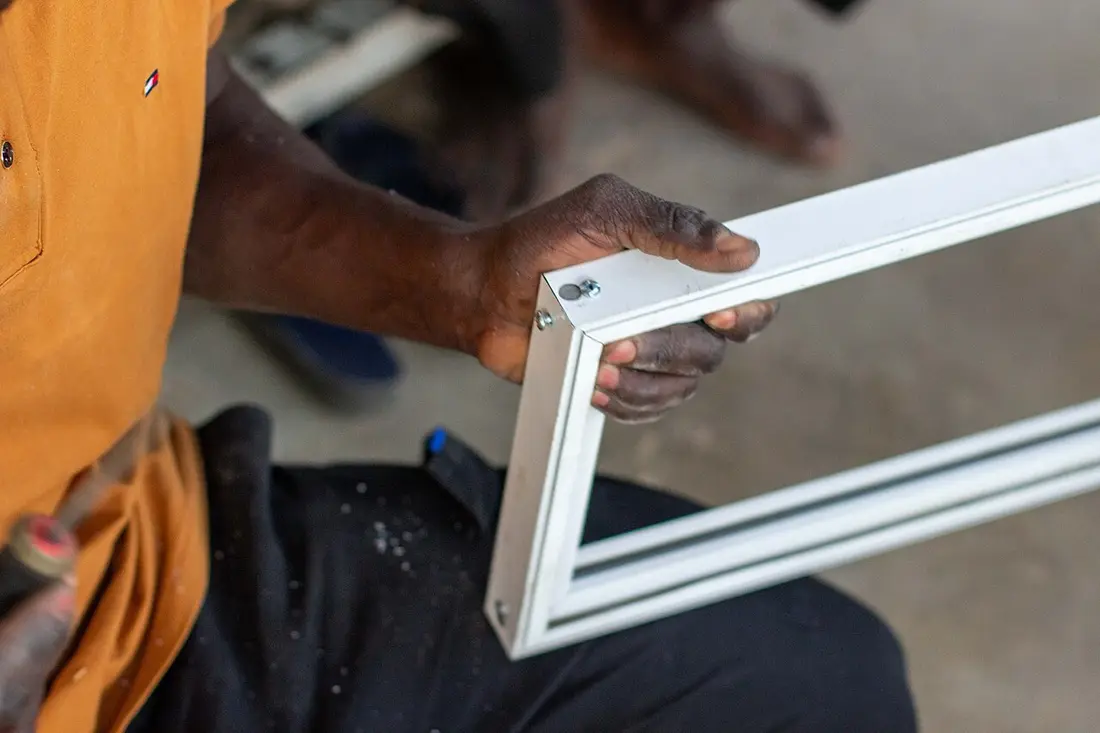
Desert windows are kept, not just bought: dust cleared from tracks and drainage, seals read each fall, sun-side units watched each winter.
Problem: Desert windows are kept, not just bought: dust cleared from tracks and drainage, seals read each fall, sun-side units watched each winter.
Solution: The whole rhythm is twenty minutes a season - against failures measured in years and replacements measured in real money.
When to call: The first cold morning and the first dust storm are your inspection appointments. The desert schedules them; you just have to show up.
Windows in a mild climate can be ignored for a decade and forgiven. Windows in El Paso keep a ledger: every dust storm deposits its grit in the tracks, every season of sun spends the seals a little more, and the failures that result are the ones maintenance exists to prevent. This guide is the rhythm - season by season, task by task - that desert homeowners use to make glass last.
Then the monsoon arrives, July through September, and tests the other side of the window. Sudden hard rain driven by storm wind probes every frame joint and flashing line, and water that gets behind a frame in a stucco wall can travel before it shows. Winter answers with cold desert nights that drop toward freezing - the moment single panes sweat, older seals stiffen, and the difference between one pane of glass and two becomes the difference between a comfortable room and a cold one.
After the big spring winds, vacuum every track before any water touches it - wet dust becomes a grinding paste that scores tracks and wears rollers. Clear the weep holes at the sill's outer edge with a thin wire or a blast of air; those slots are the frame's drainage, and a clogged one floods the sill track in the first monsoon burst.
Wash the glass with mild soap and soft cloths, rinse the frames, and run every sash through its full travel while you are there. A window exercised in spring rarely seizes by fall. Finish by pressing the weatherstripping with a fingertip: what springs back is sealing; what stays flat is a fall task, noted now.
Summer maintenance is mostly observation. Note which rooms overheat and at what hour - that is your glass specification data for any future upgrade. Check that sprinklers are not wetting glass or frames; irrigation water spots glass, feeds corrosion, and thermally shocks hot panes.
During monsoon bursts, watch the windows that face the storm. A sill that wets inside during driven rain is reporting a flashing or drainage fault while it is still small. Note the window and the wind direction; both are diagnostic gold for the professional who reads it later.
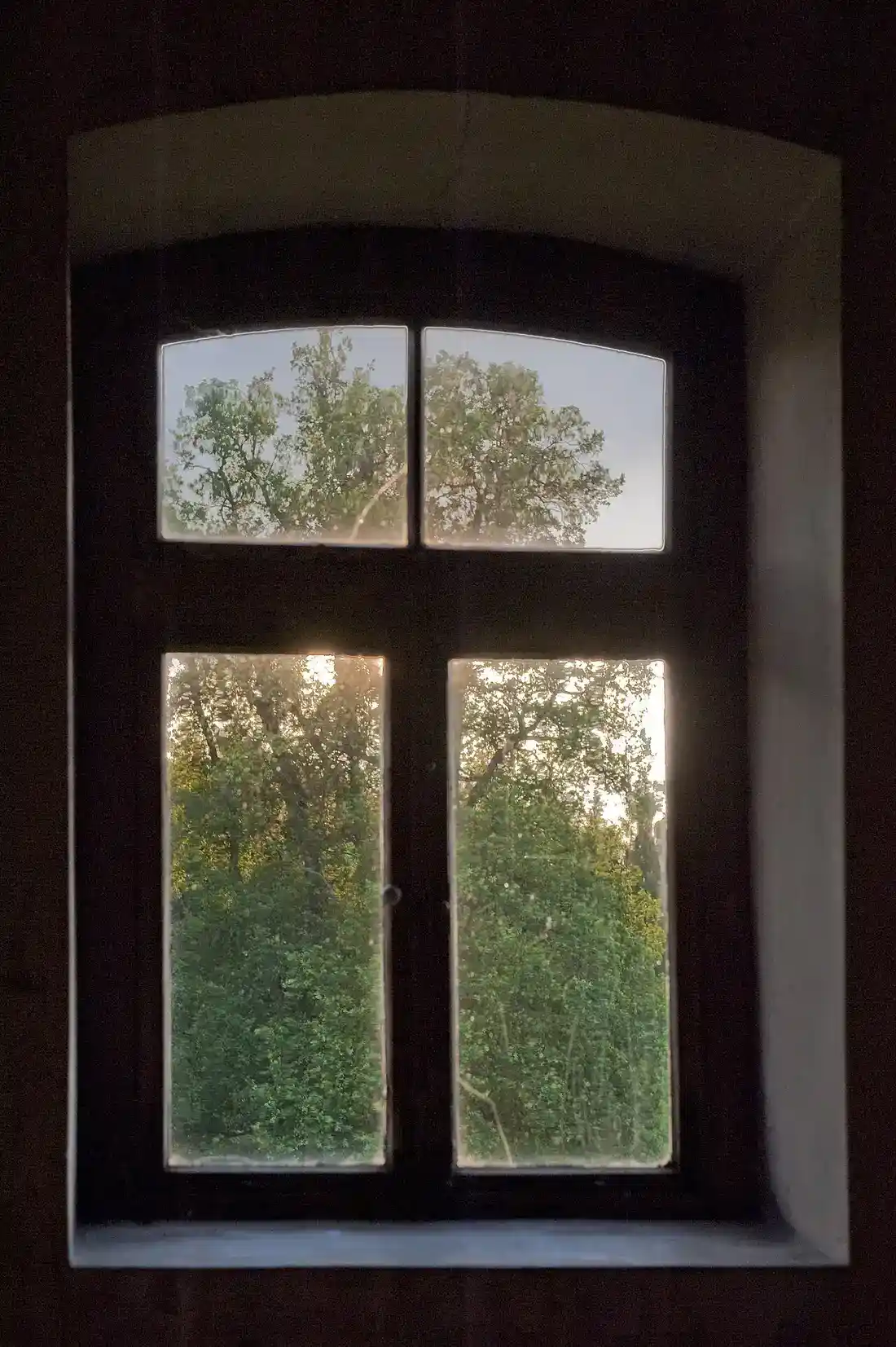

Fall is the desert window's service season: mild air, dry frames, and time before the cold grades everything. Walk the house with a notebook. Read every exterior sealant line for cracks and gaps, press-test weatherstripping and list the flat runs, and check wood frames' paint on the sun side - coating intact is the frame's armor.
Run and lock every sash, oil nothing that should not be oiled, and clear tracks and weeps once more before winter. The fall circuit is when small renewals happen - a weatherstrip run, a bead of sealant over a prepared joint - each one deferring a real failure by years.
The first genuinely cold morning is the audit the desert schedules for you. Walk the house early: which units show fog between the panes, which single panes are sweating, which sashes draft at the hand. All three lists are next year's plan, written in the house's own evidence.
Room-side condensation is managed, not just mopped: moderate the indoor humidity, let air move at the glass, and remember that the sweating pane is reporting its temperature - the long answer is insulation, by unit or by storm.
Never force a stuck sash - the force lands on the frame, and frames are the expensive part. Never oil a slider track. Never caulk a weep hole for neatness. Never pressure-wash a window; the seals and the wall behind them did not agree to it.
And keep the notebook. A house whose windows have a written history - what fogged when, what was renewed, which wall complains in which season - gets better assessments, better scopes, and longer-lived glass than a house relying on memory.
Keep one page per elevation of the house: what fogged, what was renewed, which sash sticks in which month. A year's notes turn the next assessment from an inspection into a confirmation, and professionals give better scopes to houses that arrive with evidence.
The notebook also catches the slow stories - the unit that fogs only in January, the seal that fails every third year - that no single visit can see. Windows fail in patterns, and patterns live in records.
When you call, the most useful sentence you can say is the specific one: which window, doing what, since when, in which weather. That sentence routes the call, loads the right parts on the truck, and shortens the visit.
Photos help in the same spirit - the fogged unit on a cold morning, the stain after the monsoon. Maintenance is a partnership between the eyes that live with the windows and the hands that renew them.
Run the rhythm for a decade and the ledger is visible: seals that outlast their neighbors', hardware that never seized, units whose fog arrives years after the same models across the street. Maintenance does not show in any single season; it shows in the replacement that happens once instead of twice.
That is the whole argument. The desert charges every window owner the same four taxes - sun, swing, dust and storm. The notebook and the vacuum are how the careful ones pay the lowest rate the desert offers.
Installation has an archaeology: every old window removed tells the story of its own installation - the flashing that was skipped, the gap that was stuffed, the sill that drained inward for forty years. Good installers read those stories as instructions. The failures of the last installation are the specification of the next one.
That is the service side of this guide's subject. When you are ready, the Window Installation page carries the process, the coverage by neighborhood and the number to call.
Vacuum tracks, clear weep holes, wash glass, run every sash. The dust season circuit, done once the winds settle.
Heat-map the rooms, fix the sprinklers' aim, and note any monsoon wetting with its wind direction.
Sealant lines, weatherstripping press-test, paint on the sun side, every sash run and locked. Renew the small things now.
Fog, sweat and drafts listed on the first cold morning. That list is next year's window plan.
Tracks vacuumed and weep holes cleared after dust season
Weatherstripping press-tested; flat runs listed for renewal
Exterior sealant lines read; sun-side paint checked
fog, sweat and drafts noted
Your maintenance record - the notebook page per elevation - is the scope of the next professional visit: it names the windows, the symptoms, the seasons and the weather they occurred in.
Handed over at the call, it routes the right parts to the truck and turns the assessment into a confirmation of your evidence. That is the paperwork of a well-kept house.
The professional's part in maintenance is the annual read: frames press-tested, seals graded, drainage verified, and the notebook's notes confirmed or corrected. It is the visit that turns a homeowner's observations into a plan with dates on it.
Washing tracks before vacuuming them
Oiling a slider track to cure a dust problem
Forcing a seized sash and converting a repair into a frame job
Waiting for the second fogged unit before reading the first one's wall
The desert schedules the inspections - the dust storm, the monsoon burst, the first cold morning. The owner's whole job is to show up with a notebook and a vacuum, twenty minutes a season, and let small renewals keep the large failures away.
A single pane is a view with almost no insulation; a sealed double-pane unit is a view with a working barrier against heat, cold and noise.
Read the GuideFog between the panes is a failed edge seal: the insulated unit has opened to the weather and filled with desert air and its moisture.
Read the GuideGlass as you like it; tracks and drainage twice a year on the desert's schedule - after dust season and in the fall circuit. The tracks are the maintenance that matters; the glass is housekeeping.
It is the small slot at the bottom of the frame that lets water which enters the track drain back outside. Clogged with dust, the track floods and the water goes into the wall or the room instead. Keeping it open is the highest-value minute in window maintenance.
Clean it first - most sticking is dust, not friction. If a lubricant is used at all, it is a dry silicone on the maker's say-so, never oil in the track, which makes grinding paste with the next dust storm.
When the frame fails the press-test, when units fog in sequence despite dry pockets, or when the sash itself is worn beyond its parts. Maintenance extends a window's life; it does not resurrect one - and the fall circuit is where that verdict shows itself honestly.
One call connects you with a window professional serving El Paso and the surrounding communities - assessment, repair, glass and full replacement.
📞 Call Now