Window Installation Through the El Paso Year
Fall is the working window - the mild weeks between the monsoon and the cold nights, and the season El Paso professionals are busiest for a reason. Seals, caulk lines and hardware get attention now, replacement projects run in comfortable weather, and the house goes into winter with glass that will not sweat and frames that will not leak the first cold night away.
Summer is the sun's season. Afternoon temperatures pass 100 degrees, west glass takes hours of direct load, and single-pane rooms on the sunset side of the house become the rooms nobody uses. Low-E double panes earn their keep now, failed units fog less visibly but the heat gain through tired glass is measured in the rooms the air conditioner cannot save.
Winter in the desert is a night season. Days can be mild, but nights drop toward freezing, and that is when the window report card arrives: condensation on single panes, drafts at stiffened seals, and the fogged units showing white between the glass on cold mornings. Winter exposes exactly which windows have been waiting for attention.
Window Installation in Depth
Installation has an archaeology: every old window removed tells the story of its own installation - the flashing that was skipped, the gap that was stuffed, the sill that drained inward for forty years. Good installers read those stories as instructions. The failures of the last installation are the specification of the next one.
And installation has a standard of proof: the hose test, the hand test at the seals on a windy day, the sash that travels like it is on bearings. A crew confident in its flashing does not fear the hose. Ask for the verification and you have asked the only question that matters.
Choosing the Right Help
Choose the installer by their flashing. Ask to hear the sill detail, the lap order, the drainage path. The crew that answers in specifics is the crew whose windows stay dry.
The Local Picture
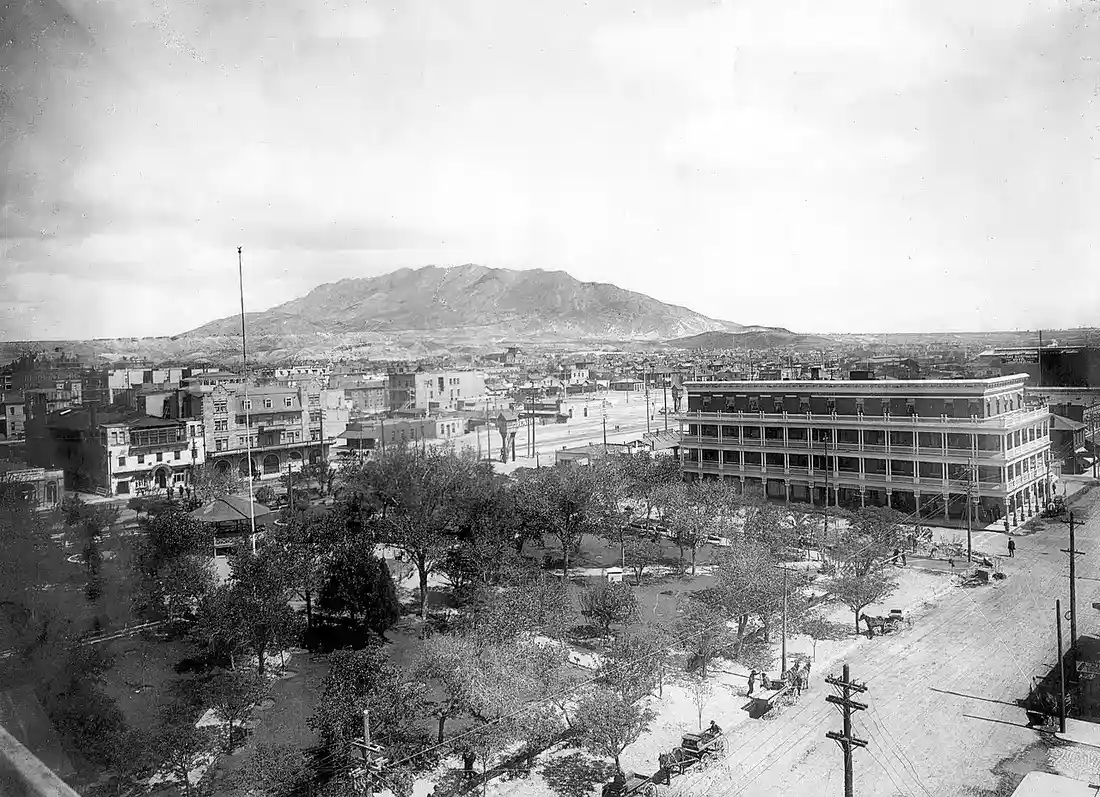
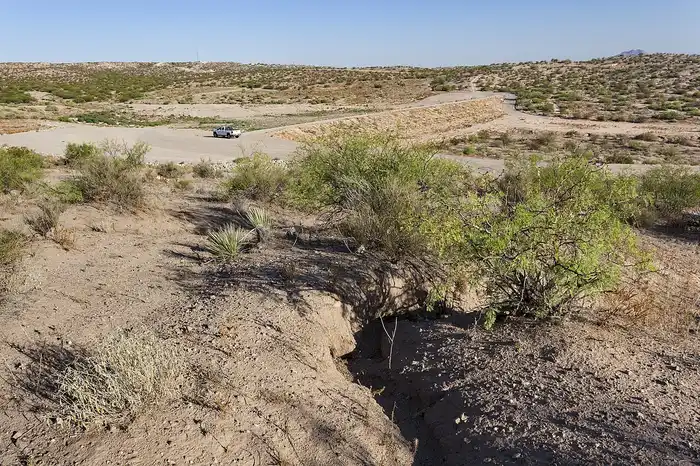
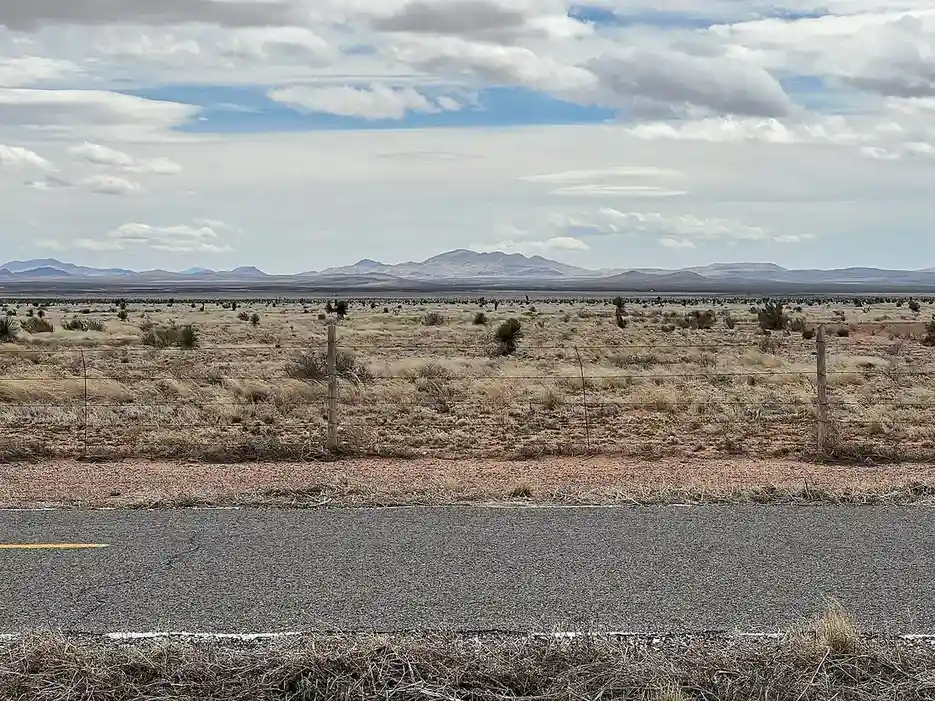
El Paso sits in the Chihuahuan Desert at about 3,740 feet, where the Rio Grande bends around the Franklin Mountains and the sun works at altitude strength. The city averages more than 300 days of sunshine a year, summer afternoons run past 100 degrees, and the ultraviolet index reaches levels that fade furniture, crack vinyl and cook the sealant out of window frames on the sun side of every house in town. Windows here do not age the way they age in milder places - they are sun-tested daily.
The second force is movement. A desert day can swing 25 to 30 degrees between dawn and afternoon, and it does so hundreds of times a year. Glass, vinyl, aluminum and wood all expand and contract at different rates through that swing, so every seal, every bead of caulk and every sash joint in an El Paso home is flexed daily. That is why the city's signature window failure is the fogged double pane: the insulated unit's edge seal, worked back and forth for years, finally lets desert air in.
How Window Installation Works
Opening Prepared and Inspected
The rough opening is exposed, checked for water damage and square, and repaired before any new unit approaches it.
Flashing in the Right Order
Sill pan and flashing are lapped shingle-fashion so water is directed out and over - the monsoon sequence, done before the unit lands.
Set Plumb, Square, With Room
The unit is shimmed level and square, fastened to structure, and left the expansion room the desert swing demands.
Sealed, Insulated and Verified
Perimeter sealed and insulated with the right materials, drainage confirmed open, sashes run, locks set, and the installation walked through with you.
Doing It Yourself vs a Professional
The DIY Route
- A window set without a sill pan is a leak on a timer
- Stucco and adobe openings punish the standard video tutorial
- The order of flashing layers is the whole craft - reversed layers channel water in
- Big units need two trained pairs of hands and suction gear, not courage
VS
The Professional Route
- Flashing lapped in the monsoon order, sill pan every time
- Units set with expansion room for a 30-degree daily swing
- Wall-specific details - stucco, brick and adobe each done their own way
- Verified before leaving: travel, lock, daylight and drainage
Keep It From Coming Back
A good installation is verified once and then kept by the same eyes that keep the windows. What to watch in the first years:
- Ask any installer how they flash a sill - the answer predicts the next decade
- Keep the exterior sealant line on the annual inspection list
- Never let a sill's drainage be caulked shut for neatness
- Keep stucco repairs around windows integrated with the flashing, not smeared over it
- Run new sashes through their full travel in the first week and report any bind early
- Keep the installation paperwork and ratings with the house records