Glass Replacement Through the El Paso Year
Winter in the desert is a night season. Days can be mild, but nights drop toward freezing, and that is when the window report card arrives: condensation on single panes, drafts at stiffened seals, and the fogged units showing white between the glass on cold mornings. Winter exposes exactly which windows have been waiting for attention.
Fall is the working window - the mild weeks between the monsoon and the cold nights, and the season El Paso professionals are busiest for a reason. Seals, caulk lines and hardware get attention now, replacement projects run in comfortable weather, and the house goes into winter with glass that will not sweat and frames that will not leak the first cold night away.
Summer is the sun's season. Afternoon temperatures pass 100 degrees, west glass takes hours of direct load, and single-pane rooms on the sunset side of the house become the rooms nobody uses. Low-E double panes earn their keep now, failed units fog less visibly but the heat gain through tired glass is measured in the rooms the air conditioner cannot save.
Glass Replacement in Depth
There is a quiet satisfaction in glass replacement done right: the window the house was built with, the frame that matches every other opening, and glass that is suddenly clear as the day it was made. Owners often report the room feeling new - because the view, which is half of what a window is, has been renewed entire.
The new unit also outperforms the one it replaces even before it fogs: modern spacers, coatings and seals have improved on the original specification of most of the city's installed stock. Glass replacement is therefore not a return to zero; it is an upgrade delivered through the existing frame.
Choosing the Right Help
Choose by the measure and the specification: exact sizing, a unit built for the swing, and a frame verdict given before the glass is sold. The glass is only as good as the pocket it sits in.
The Local Picture
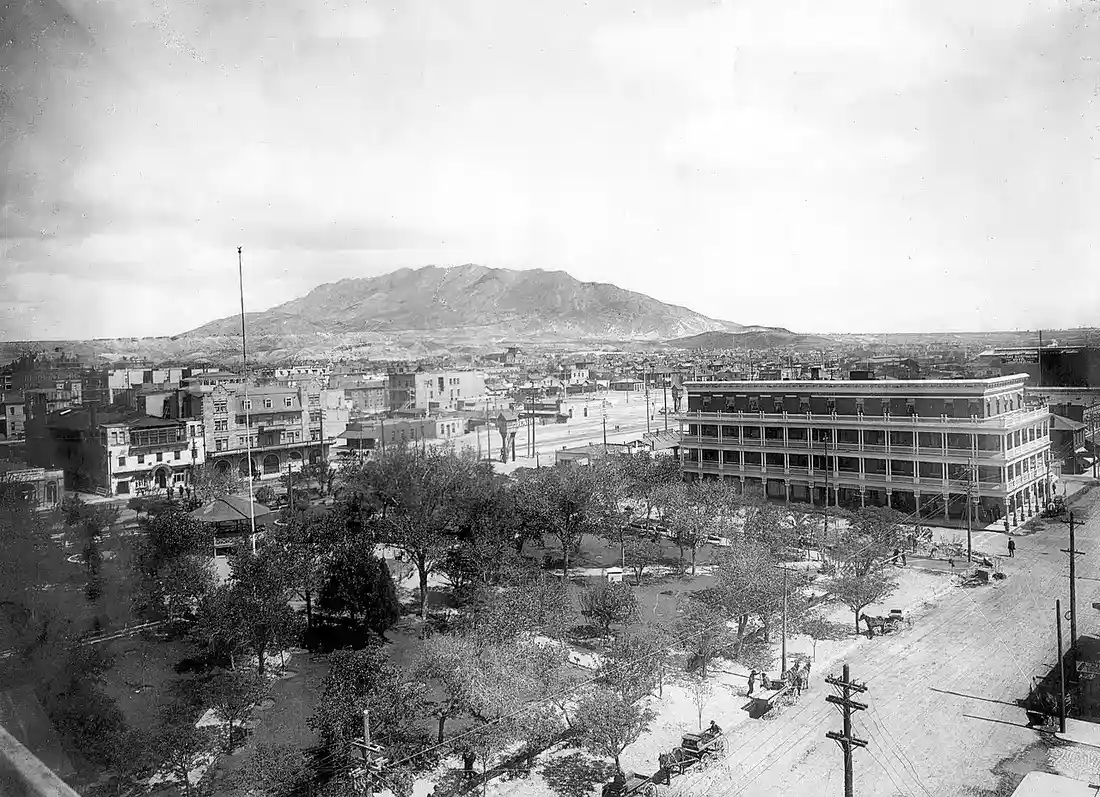
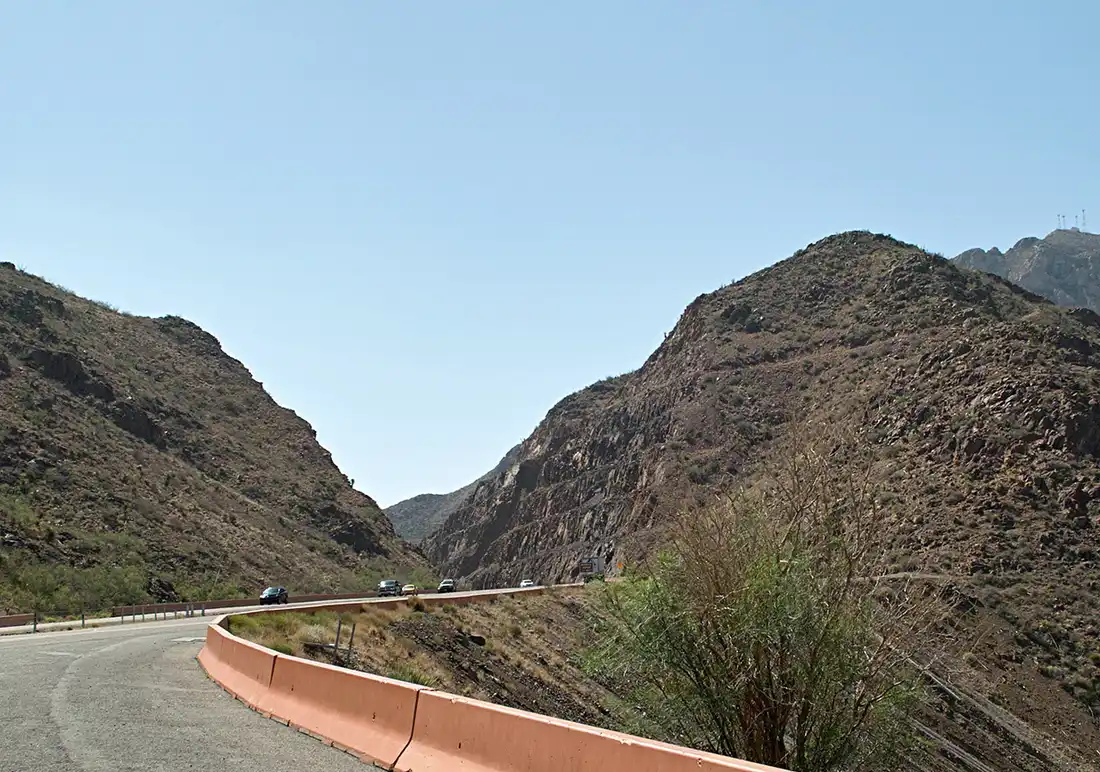
El Paso sits in the Chihuahuan Desert at about 3,740 feet, where the Rio Grande bends around the Franklin Mountains and the sun works at altitude strength. The city averages more than 300 days of sunshine a year, summer afternoons run past 100 degrees, and the ultraviolet index reaches levels that fade furniture, crack vinyl and cook the sealant out of window frames on the sun side of every house in town. Windows here do not age the way they age in milder places - they are sun-tested daily.
The second force is movement. A desert day can swing 25 to 30 degrees between dawn and afternoon, and it does so hundreds of times a year. Glass, vinyl, aluminum and wood all expand and contract at different rates through that swing, so every seal, every bead of caulk and every sash joint in an El Paso home is flexed daily. That is why the city's signature window failure is the fogged double pane: the insulated unit's edge seal, worked back and forth for years, finally lets desert air in.
How Glass Replacement Works
Confirm the Frame Deserves the Glass
The frame is inspected first - square, sound and dry. New glass goes into frames that will hold it honestly; anything else is discussed before money moves.
Measure and Specify the Unit
The opening is measured exactly, and the unit is specified for the exposure: glass type, coating, spacer and fill chosen for the desert swing.
Remove the Failed Unit
The old unit comes out, the glazing pocket is cleaned and the drainage path is cleared while the opening is apart.
Set, Seal and Verify
The new unit is set, glazed and sealed, the sash is run and checked, and the sightlines are cleaned - the window leaves clear and warranted by its workmanship.
Doing It Yourself vs a Professional
The DIY Route
- A sealed unit is measured to fractions; a wrong unit is a wrong unit forever
- Cutting out a unit without damaging the frame is a practiced hand's work
- The new unit's edge seal must never sit in a wet pocket - drainage is part of the job
- Broken glass removal carries real injury risk without the tools and the sequence
VS
The Professional Route
- The frame is verdicted first - glass is never sold into a frame that will kill it
- Units specified for desert swing and sun, not mild-climate defaults
- Drainage cleared and pocket dried while the opening is apart
- Exact measure, clean set, verified seal - the window leaves whole
Keep It From Coming Back
A new sealed unit begins its life the day it is set. What its owner does around it decides whether that life is long:
- Keep sprinklers and hose spray off the glass - thermal shock and hard water both punish units
- Never scrape fog or frost from inside a failed unit; the glass is not the problem
- Clear the frame's weep holes so the unit's edge never sits in water
- Note the first fog on the first unit - the sun-side row is on the same clock
- Avoid dark films or covers on sun-side glass unless rated for sealed units
- Keep interior humidity sane in winter; room-side condensation is a different fault with a different fix