Double Pane Windows Through the El Paso Year
Fall is the working window - the mild weeks between the monsoon and the cold nights, and the season El Paso professionals are busiest for a reason. Seals, caulk lines and hardware get attention now, replacement projects run in comfortable weather, and the house goes into winter with glass that will not sweat and frames that will not leak the first cold night away.
Winter in the desert is a night season. Days can be mild, but nights drop toward freezing, and that is when the window report card arrives: condensation on single panes, drafts at stiffened seals, and the fogged units showing white between the glass on cold mornings. Winter exposes exactly which windows have been waiting for attention.
Summer is the sun's season. Afternoon temperatures pass 100 degrees, west glass takes hours of direct load, and single-pane rooms on the sunset side of the house become the rooms nobody uses. Low-E double panes earn their keep now, failed units fog less visibly but the heat gain through tired glass is measured in the rooms the air conditioner cannot save.
Double Pane Windows in Depth
The double-pane unit rewards a closer look at its edge: the spacer that holds the panes apart is also where the unit lives or dies. Modern warm-edge spacers flex with the glass through the daily swing instead of prying at the seal, and the desiccant inside them absorbs the trace moisture of manufacture. The edge looks like a detail; in the desert it is the biography of the unit written in advance.
Sound deserves its sentence too. Two panes of differing thickness with a sealed gap break up sound paths that a single pane passes whole - traffic, wind, the neighbor's dog. In the older, denser neighborhoods the quiet is often the upgrade owners mention first.
Choosing the Right Help
Choose the unit per wall: coating and spacer where the sun works, honest glass where it does not. One specification for the whole house is a compromise the west rooms pay for.
The Local Picture
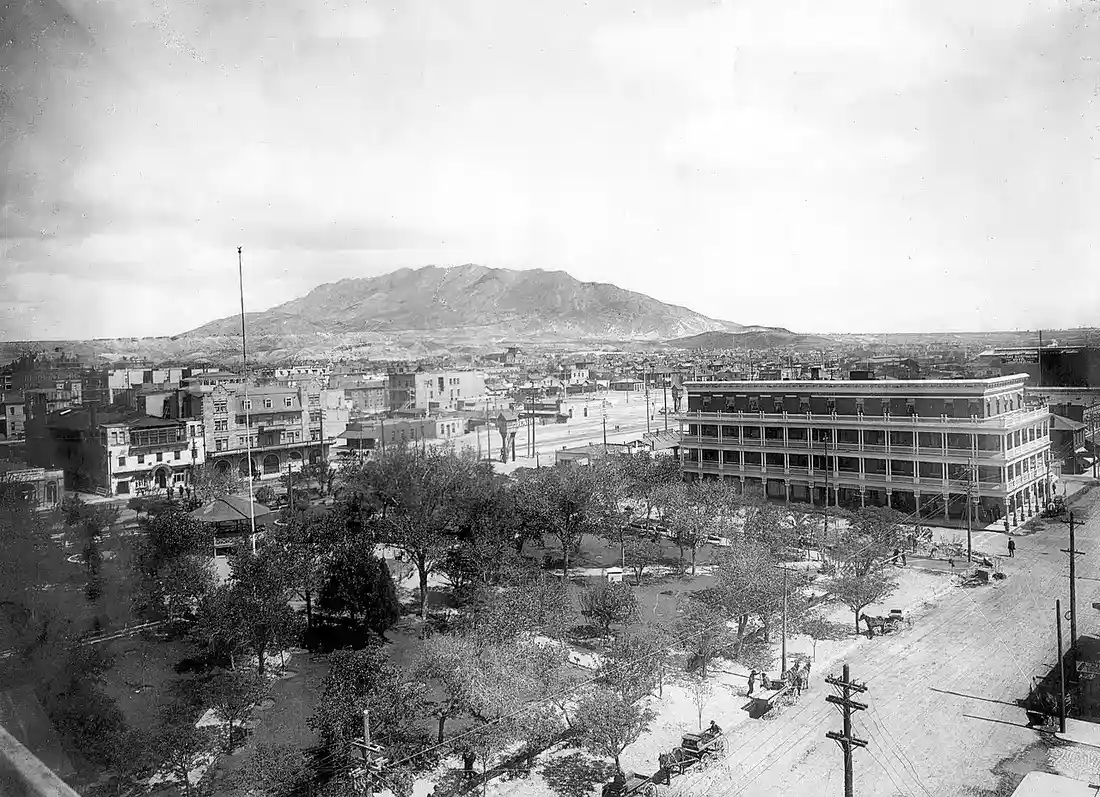
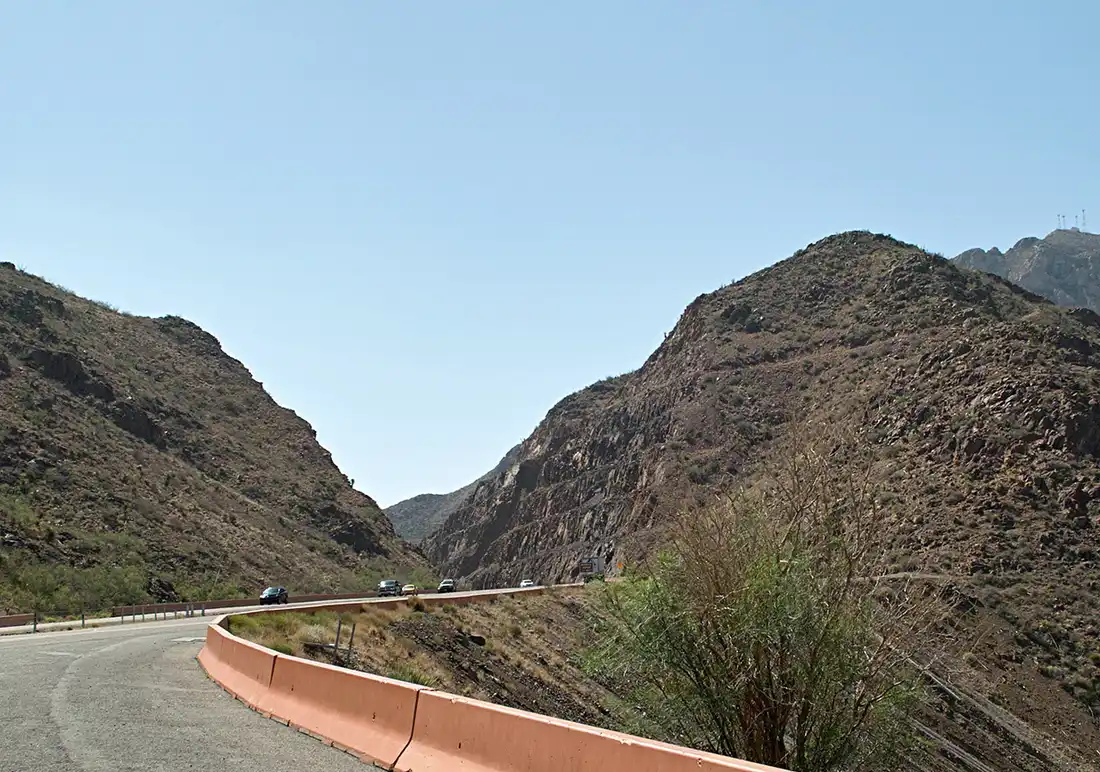
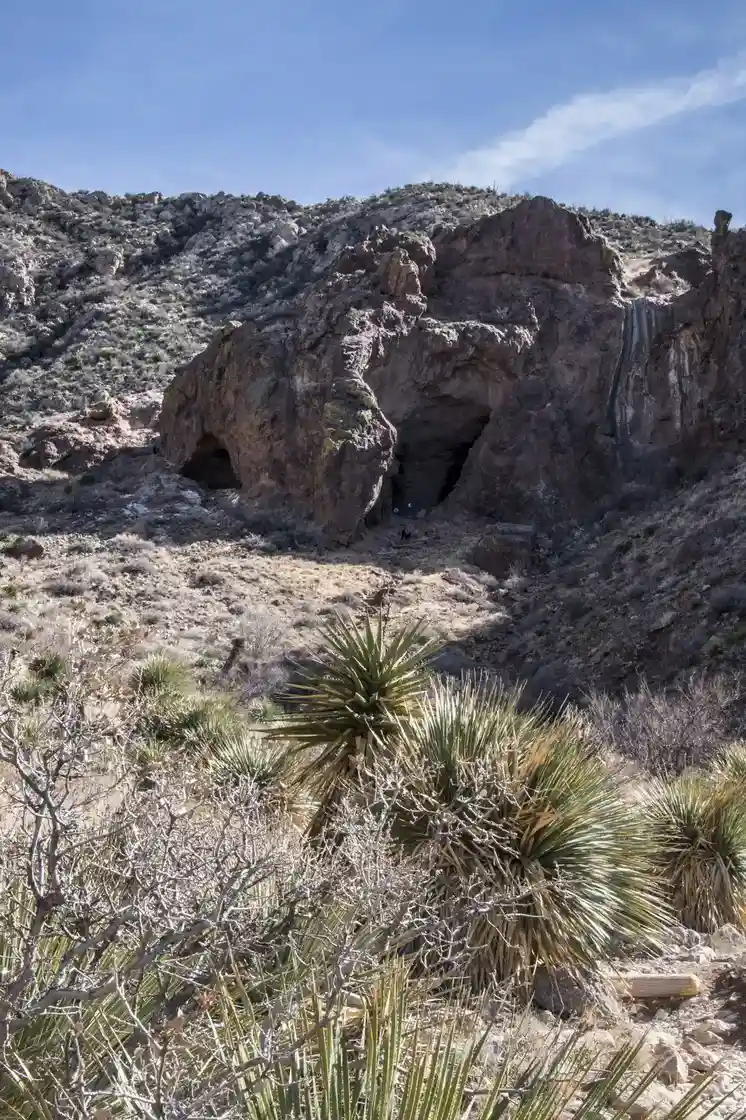
El Paso sits in the Chihuahuan Desert at about 3,740 feet, where the Rio Grande bends around the Franklin Mountains and the sun works at altitude strength. The city averages more than 300 days of sunshine a year, summer afternoons run past 100 degrees, and the ultraviolet index reaches levels that fade furniture, crack vinyl and cook the sealant out of window frames on the sun side of every house in town. Windows here do not age the way they age in milder places - they are sun-tested daily.
The second force is movement. A desert day can swing 25 to 30 degrees between dawn and afternoon, and it does so hundreds of times a year. Glass, vinyl, aluminum and wood all expand and contract at different rates through that swing, so every seal, every bead of caulk and every sash joint in an El Paso home is flexed daily. That is why the city's signature window failure is the fogged double pane: the insulated unit's edge seal, worked back and forth for years, finally lets desert air in.
How Double Pane Windows Works
Identify the Candidate Openings
The sun walls and the cold rooms first: the assessment maps which openings gain the most from the second pane.
Specify the Unit
Coating, spacer, fill and glass thickness are chosen per opening - west glass and north glass are different specifications.
Glass-Only or Full Replacement
Sound frames take new units alone; failed frames make it a replacement conversation. The frame's verdict is given honestly either way.
Set, Seal and Verify
Units are set and sealed, sashes run, and the room-side glass temperature difference is one you can check with the back of a hand.
Doing It Yourself vs a Professional
The DIY Route
- A second pane cannot be added to a single-pane sash - the unit is a sealed factory component
- Swapping in units without checking the frame repeats the original failure
- Glass thickness and tempering rules near doors and floors are code, not preference
- The coating faces a specific way inside the unit; a reversed unit underperforms silently
VS
The Professional Route
- Units specified per wall - the west specification is not the north specification
- Warm-edge spacers that flex with the desert swing instead of fighting it
- Frames verdicted honestly: glass-only where the frame deserves it
- Tempering and code requirements handled without being asked
Keep It From Coming Back
The sealed unit cannot be serviced - but its environment can. These habits protect the seal the whole unit depends on:
- Protect the edge seal: keep the unit's drainage path open so its edge never sits in water
- Watch for the first edge fog - the seal's early warning, worth acting on
- Keep interior winter humidity moderate to spare the room-side pane
- Avoid unvented heat blasting directly at large units in winter
- Clean with soft cloths and mild cleaners; the coatings are tough but not immortal
- Have sun-side units read at the first sign of haze, not the last