Window Repair Through the El Paso Year
Spring is wind season in El Paso. Gusts off the Franklins carry desert dust that packs into slider tracks, clogs weep holes and grinds in sash channels, and every weak weatherstrip in the city announces itself with a dust line on the sill. The spring check is mechanical: run every window, clear the tracks and weep holes, and look hard at the weatherstripping before the heat arrives.
Fall is the working window - the mild weeks between the monsoon and the cold nights, and the season El Paso professionals are busiest for a reason. Seals, caulk lines and hardware get attention now, replacement projects run in comfortable weather, and the house goes into winter with glass that will not sweat and frames that will not leak the first cold night away.
Summer is the sun's season. Afternoon temperatures pass 100 degrees, west glass takes hours of direct load, and single-pane rooms on the sunset side of the house become the rooms nobody uses. Low-E double panes earn their keep now, failed units fog less visibly but the heat gain through tired glass is measured in the rooms the air conditioner cannot save.
Window Repair in Depth
Repair has a philosophy worth stating: a window is a machine with renewable parts, and most of its misery is parts, not essence. Balances, rollers, locks, seals and weatherstripping are wear items by design - the manufacturer expected them to be renewed. A repair culture that renews them on schedule is how a window stock reaches its full designed life.
The desert sharpens the point, because it wears the parts faster than the frame. A repair visit in El Paso is therefore closer to a service interval than to an emergency: catch the wear at the parts stage and the frame stage never arrives early. The houses that replace windows youngest are usually the houses that never repaired them at all.
Choosing the Right Help
Choose the repairer the way you would a mechanic: by diagnosis, not by parts cannon. The right professional names the cause, shows you the worn part, and tells you plainly when repair stops paying.
The Local Picture
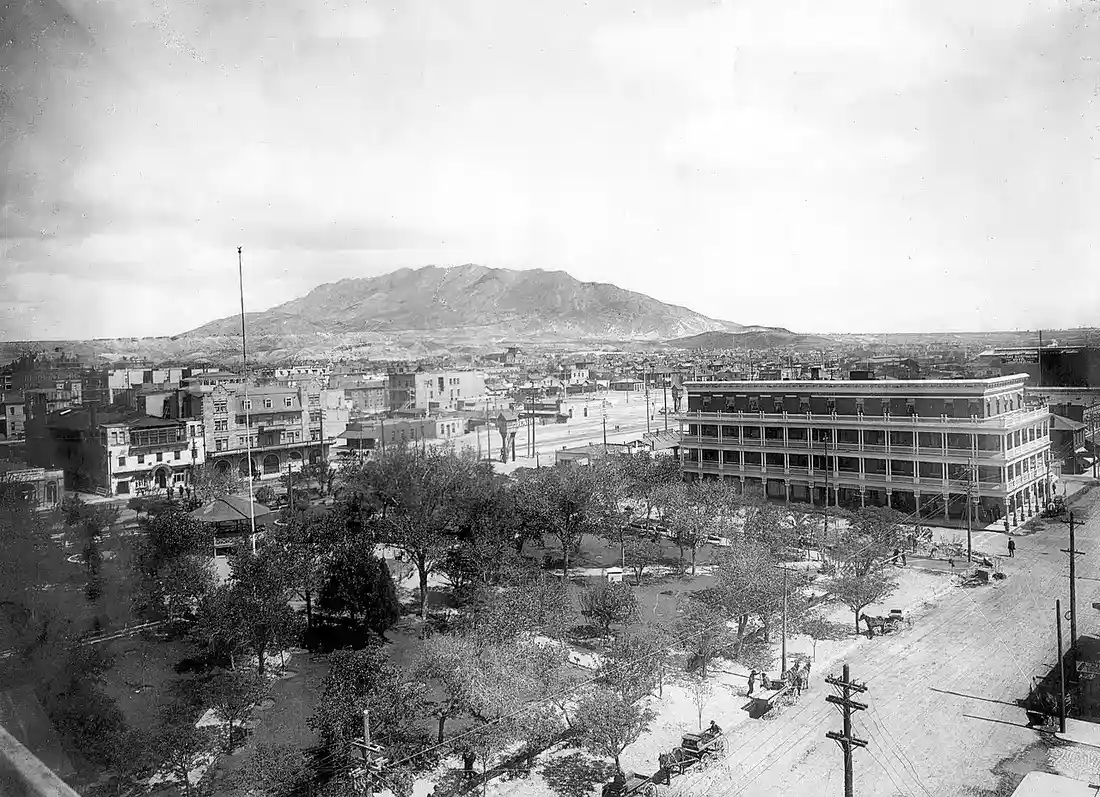
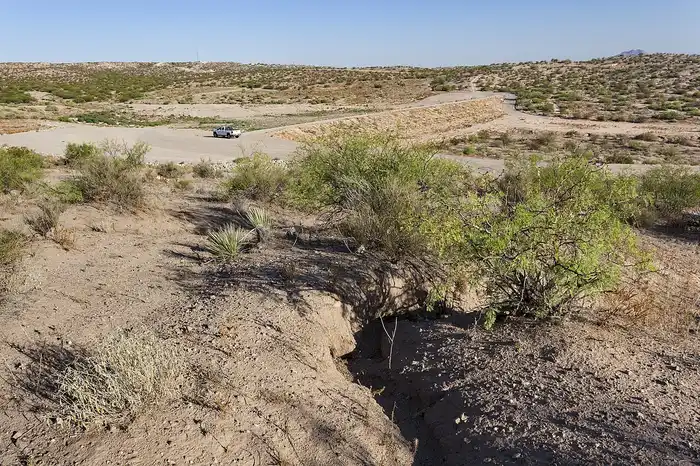
El Paso sits in the Chihuahuan Desert at about 3,740 feet, where the Rio Grande bends around the Franklin Mountains and the sun works at altitude strength. The city averages more than 300 days of sunshine a year, summer afternoons run past 100 degrees, and the ultraviolet index reaches levels that fade furniture, crack vinyl and cook the sealant out of window frames on the sun side of every house in town. Windows here do not age the way they age in milder places - they are sun-tested daily.
The second force is movement. A desert day can swing 25 to 30 degrees between dawn and afternoon, and it does so hundreds of times a year. Glass, vinyl, aluminum and wood all expand and contract at different rates through that swing, so every seal, every bead of caulk and every sash joint in an El Paso home is flexed daily. That is why the city's signature window failure is the fogged double pane: the insulated unit's edge seal, worked back and forth for years, finally lets desert air in.
How Window Repair Works
Operation Audit
Every window is run, locked and inspected - the failure list is written from the windows' behavior, not from a guess.
Cause Before Cure
Each fault is traced: a sticking slider might be rollers, track damage, or a frame out of square, and each cause has a different fix.
The Repair Itself
Balances, rollers, locks, seals and weatherstripping are renewed or adjusted; tracks are cleaned and, where needed, repaired; sashes are freed and re-hung true.
Full-House Recheck
Every repaired window is run through its full travel and lock, and the ones that were not repaired are reported on honestly - fixed, fine, or failing.
Doing It Yourself vs a Professional
The DIY Route
- Forcing a stuck sash cracks glass and twists frames - the repair becomes a replacement
- Balance systems hold real spring tension; the wrong release bites
- A seal smeared with caulk looks fixed and seals nothing
- Historic rope-and-weight systems need their pockets opened by someone who knows them
VS
The Professional Route
- The cause is fixed, not the symptom - rollers, tracks and frames read together
- Parts matched to the window's era and maker, not forced from a generic bin
- Weatherstripping renewed as a system so the sash can actually seal
- An honest verdict where repair has stopped making sense
Keep It From Coming Back
A repaired window is a machine returned to spec - and machines stay in spec with light, regular attention. The desert version of that attention:
- Vacuum tracks before washing them - wet dust becomes grinding paste
- Keep weep holes open; a flooded sill track rots and corrodes from inside
- Work every sash a few times each season so nothing seizes in place
- Replace weatherstripping at the first flat, cracked or missing run
- Never force a stuck sash - the force lands on the frame, not the fault
- Note which windows misbehave and when; the pattern is diagnostic gold