Single Pane vs Double Pane in El Paso: An Honest Comparison
A single pane is a view with almost no insulation; a sealed double-pane unit is a view with a working barrier against heat, cold and noise.
Read the Guide
El Paso grades windows on four tests: ultraviolet and heat, a 30-degree daily swing, wind-driven dust, and monsoon rain.
Problem: El Paso grades windows on four tests: ultraviolet and heat, a 30-degree daily swing, wind-driven dust, and monsoon rain.
Solution: Specify for the load: low-E glass with solar control on the sun walls, frames that shrug off UV, seals and drainage that respect the dust.
When to call: The right window here is a desert window - chosen per wall, not per brochure.
A window that performs beautifully in a mild coastal city can be a failure in El Paso inside five years - not because it was badly made, but because it was made for a different examiner. This guide walks the four tests the Chihuahuan Desert sets every window, and the specification that passes each one.
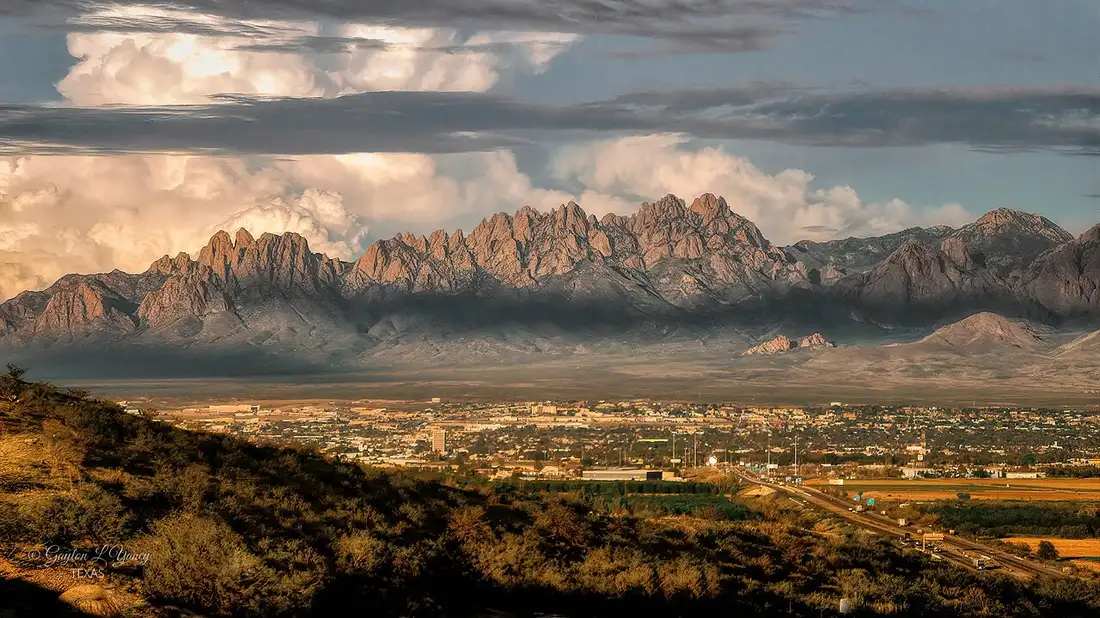
El Paso sits in the Chihuahuan Desert at about 3,740 feet, where the Rio Grande bends around the Franklin Mountains and the sun works at altitude strength. The city averages more than 300 days of sunshine a year, summer afternoons run past 100 degrees, and the ultraviolet index reaches levels that fade furniture, crack vinyl and cook the sealant out of window frames on the sun side of every house in town. Windows here do not age the way they age in milder places - they are sun-tested daily.
At 3,740 feet with more than 300 sunny days a year, El Paso's ultraviolet is altitude-strength. It fades interiors, chalks paint, embrittles cheap vinyl and cooks sealant out of joints. And the visible light arrives with infrared heat that pours through ordinary glass into the west rooms every summer afternoon.
The specification answer is layered: low-E coatings that refuse the infrared while passing the light, solar heat gain numbers read for a cooling climate, frame materials formulated with UV stabilizers, and exterior finishes chosen for a sun that strips the unready. Shade is architecture's contribution - portals, patios and orientation - and the glass handles the rest.
A 30-degree day is normal here, and every material in a window answers it at its own rate: glass one way, vinyl another, aluminum a third, wood a fourth. The joints between them flex daily, and the edge seal of every insulated unit breathes against that flex for its whole life.
Passing the swing test is about forgiveness engineered in: warm-edge spacers that flex with the unit, installation that leaves expansion room instead of pinning the frame rigid, and sealants chosen for movement. Windows fail in El Paso less often from a single blow than from ten thousand small ones.
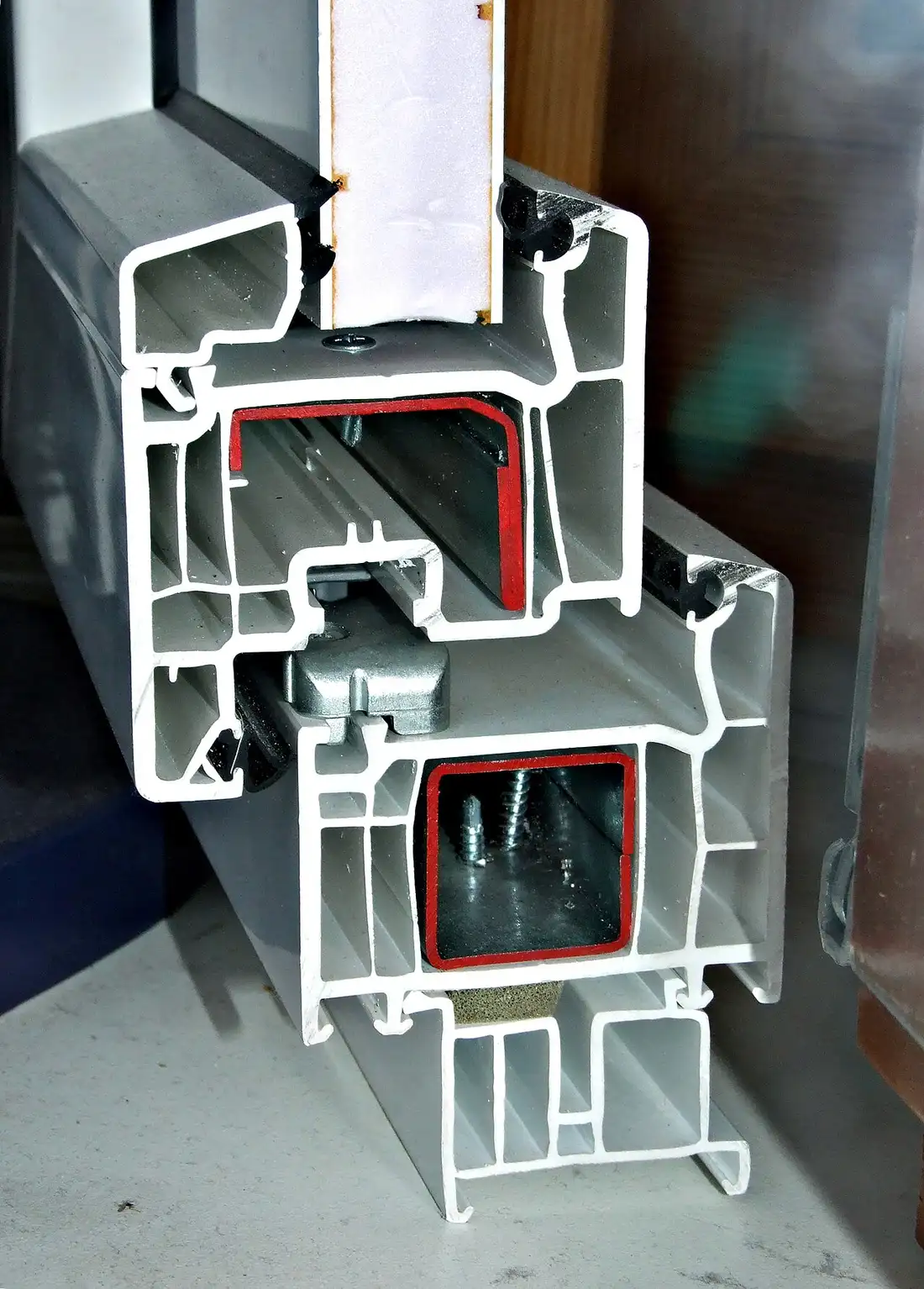
Spring winds arrive loaded with desert fines that behave like a fluid: they penetrate any gap pressure can find, pack tracks and weep holes, and grind in every channel a sash slides through. A window's dust defense is its weatherstripping, its drainage, and the fit of its moving parts.
The specification follows: multiple weatherstrip lines, seals that spring rather than sit, drainage that can be cleaned and kept, and hardware that tolerates a gritty world. The maintenance follows too - a desert window is vacuumed and cleared on a rhythm a mild-climate window never needs.
From July to September the desert's rain arrives sideways, in bursts that probe frame joints, flashing lines and sill drainage all at once. Water that gets behind a frame in a stucco wall can travel feet before it shows, which is why the monsoon's grade is the one that appears latest and costs most.
Passing it is installation craft: sill pans, flashing lapped in the shedding order, joints backed and sealed properly, and weep paths left open so what gets in gets out. The monsoon does not negotiate with caulk smeared over a gap; it simply files the failure for later.
Per wall, then: sun walls get the solar glass and the toughest frames; shaded walls get honest standard units; sliders get dust-rated hardware; historic sash gets storms and respect. One specification for the whole house is a brochure's idea, not a desert one.
That per-wall read is what a local assessment is. The desert will grade the result daily, in every season it runs - and a window specified for the place passes quietly, which is the highest grade there is.
At 3,740 feet the air is thinner and the sun is stronger - ultraviolet intensity rises with elevation, and El Paso's latitude keeps the sun high. Materials rated for a sea-level suburb live a harder life here than their labels assume.
It is one more reason local specification matters: the professional who works at this altitude has watched which coatings, vinyls and sealants actually survive it, and that field record is worth more than a national brochure.
The Rio Grande valley floor plays by slightly different rules: irrigation and river air raise the humidity, shade trees drop debris into every track, and adobe walls change the installation itself. The four tests still apply - with moisture promoted from a cameo to a cast member.
Valley homes therefore add a line to the specification: wood protection and drainage discipline, and openings read with the damp in mind. The desert is dry; the valley is a garden in the desert, and its windows live in both.
The goal of all this specification is a house whose windows disappear: rooms that hold their temperature, glass that does not announce the weather, silence during the dust storms. Nobody compliments a window that is doing its job; they compliment the room.
That invisibility is earned per wall and per detail, against four examiners who never take a season off. It is also, once earned, remarkably durable - the desert grades daily, and a well-specified window passes daily.
Efficiency has a frontier beyond the glass: the frame and the installation multiply whatever the unit achieves. A low-E unit in a conductive frame leaks heat at its edges; a fine frame in an unsealed opening leaks air around its perimeter. The professional habit of reading all three - glass, frame, opening - is what turns a rated window into a performing one.
That is the service side of this guide's subject. When you are ready, the Energy Efficient Windows page carries the process, the coverage by neighborhood and the number to call.
West and south are the load walls; east is morning-mild; north is the easy life. Your specification budget follows the sun.
Solar heat gain first, U-factor second - the reverse of a cold climate's order, and the sheet should be read with you, per wall.
Flashing order, sill pan, drainage, expansion room. The answers predict the monsoon grade a decade early.
Track and weep clearing after dust season, seal checks each fall. Desert windows are kept, not just bought.
west and south flagged as load walls
Rating sheets read for a cooling climate - solar gain first
sill pan, flashing order, drainage
spring clearing, fall circuit
A desert specification, in writing, names per wall: the glass package and its ratings, the frame material and grade, the installation method, and the flashing and drainage detail for the wall type.
It is the document the monsoon will grade. If the specification cannot be produced, the window is being bought on a brochure - and brochures do not live at 3,740 feet.
A desert professional specifies from the exposure map inward: the sun walls' glass first, the frame grade for the swing, the hardware for the dust, and an installation detail - pan, flashing, drainage - recited without being asked. The specification is the climate, written down.
Buying a northern-climate window on its reputation
Spending on a third pane where a coating was the answer
Letting the installation be an afterthought to the product
Sealing weep holes shut in the name of weatherproofing
Sun, swing, dust and monsoon: four examiners, one specification. Choose the glass for the sun, the frame for the swing, the seals for the dust and the installation for the rain - and the desert's grading becomes the quietest part of owning the house.
A single pane is a view with almost no insulation; a sealed double-pane unit is a view with a working barrier against heat, cold and noise.
Read the GuideDesert windows are kept, not just bought: dust cleared from tracks and drainage, seals read each fall, sun-side units watched each winter.
Read the GuideThe low-E coating on the sun walls. It addresses the largest load - solar heat - at the glass itself. Everything else on this page defends that investment.
Rarely the best spend here: the third pane adds cold-climate insulation where the desert's problem is solar gain, better answered by the right coating. Your assessment will show the comparison honestly for your walls.
A rhythm, not a burden: dust cleared from tracks and drainage, seals pressed and read each fall, sun-side units watched on cold mornings. Twenty minutes a season, against failures measured in years.
A house needs ventilation paths, but windows are not meant to be them. Seal the windows properly and ventilate deliberately - through the windows' own operation, opened on the desert's mild mornings and evenings.
One call connects you with a window professional serving El Paso and the surrounding communities - assessment, repair, glass and full replacement.
📞 Call Now