Energy Efficient Windows Through the El Paso Year
Spring is wind season in El Paso. Gusts off the Franklins carry desert dust that packs into slider tracks, clogs weep holes and grinds in sash channels, and every weak weatherstrip in the city announces itself with a dust line on the sill. The spring check is mechanical: run every window, clear the tracks and weep holes, and look hard at the weatherstripping before the heat arrives.
Winter in the desert is a night season. Days can be mild, but nights drop toward freezing, and that is when the window report card arrives: condensation on single panes, drafts at stiffened seals, and the fogged units showing white between the glass on cold mornings. Winter exposes exactly which windows have been waiting for attention.
Summer is the sun's season. Afternoon temperatures pass 100 degrees, west glass takes hours of direct load, and single-pane rooms on the sunset side of the house become the rooms nobody uses. Low-E double panes earn their keep now, failed units fog less visibly but the heat gain through tired glass is measured in the rooms the air conditioner cannot save.
Energy Efficient Windows in Depth
Efficiency has a frontier beyond the glass: the frame and the installation multiply whatever the unit achieves. A low-E unit in a conductive frame leaks heat at its edges; a fine frame in an unsealed opening leaks air around its perimeter. The professional habit of reading all three - glass, frame, opening - is what turns a rated window into a performing one.
There is also a daylight dividend. Because the coating does the work that blinds used to do, efficient glass returns the view: rooms that lived shuttered against the afternoon reopen, and the house gets its mountains back. Efficiency in a beautiful city should never cost the beauty.
Choosing the Right Help
Choose by the numbers that govern a cooling climate, read aloud and explained. A professional who will read the rating sheet with you is selling performance; one who will not is selling glass.
The Local Picture
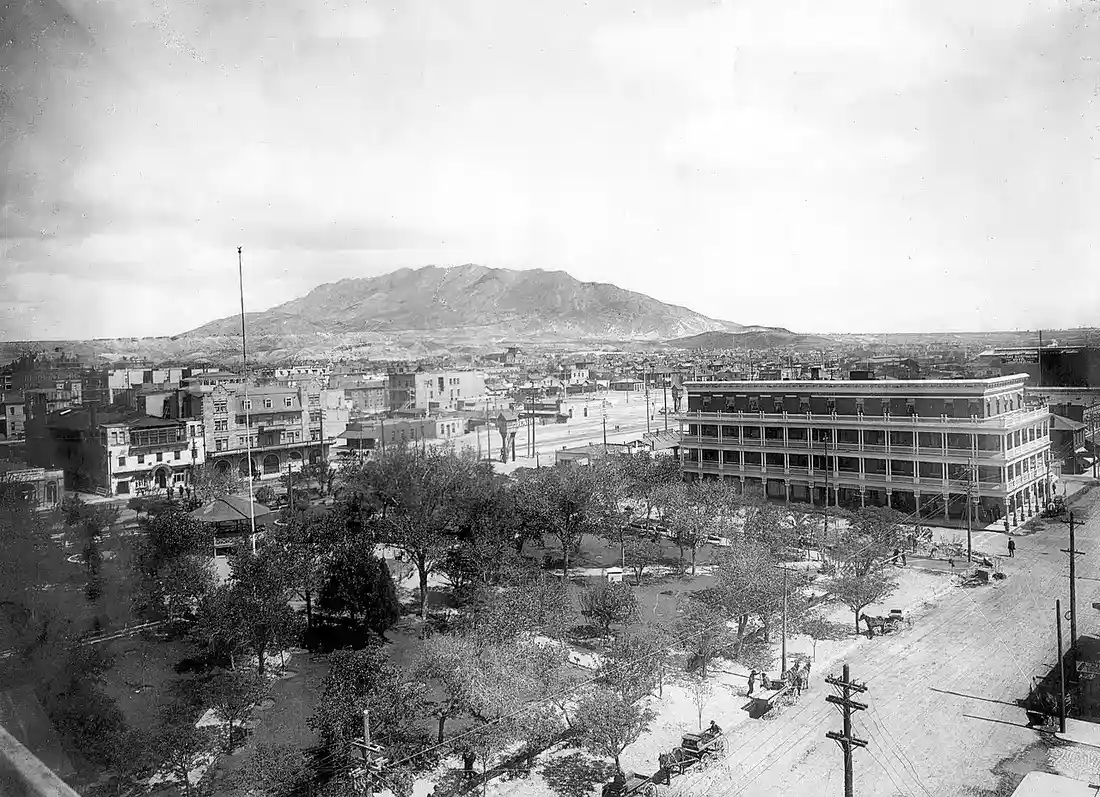
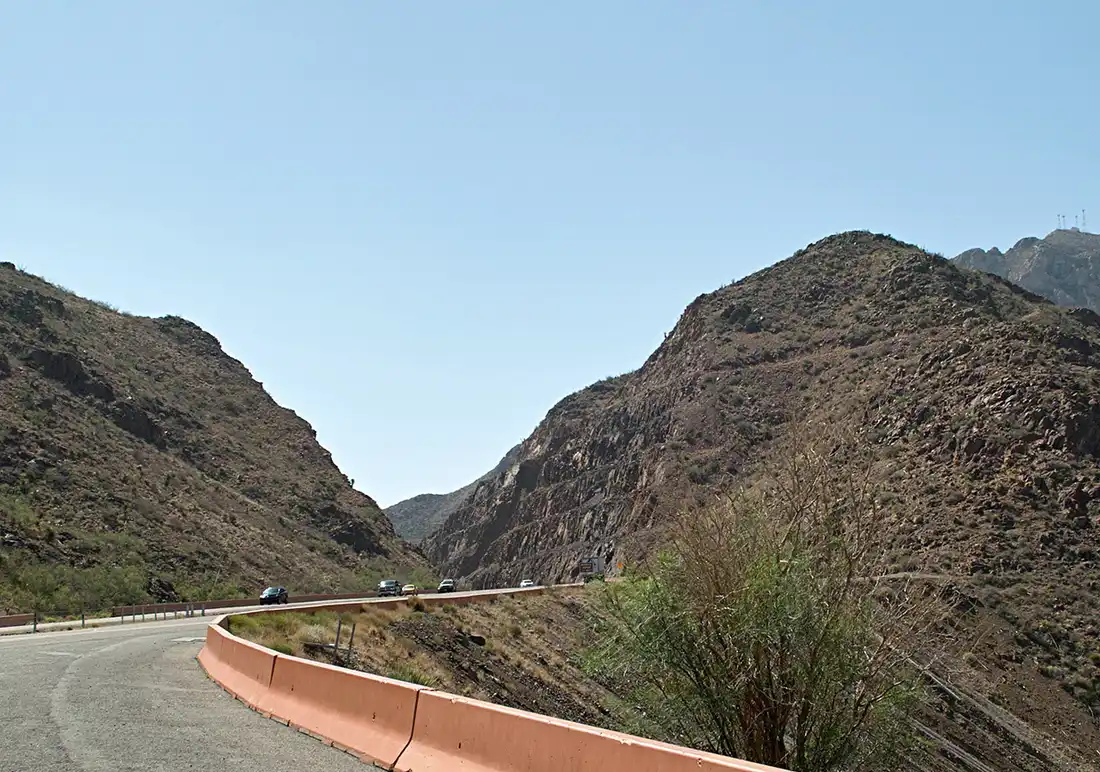
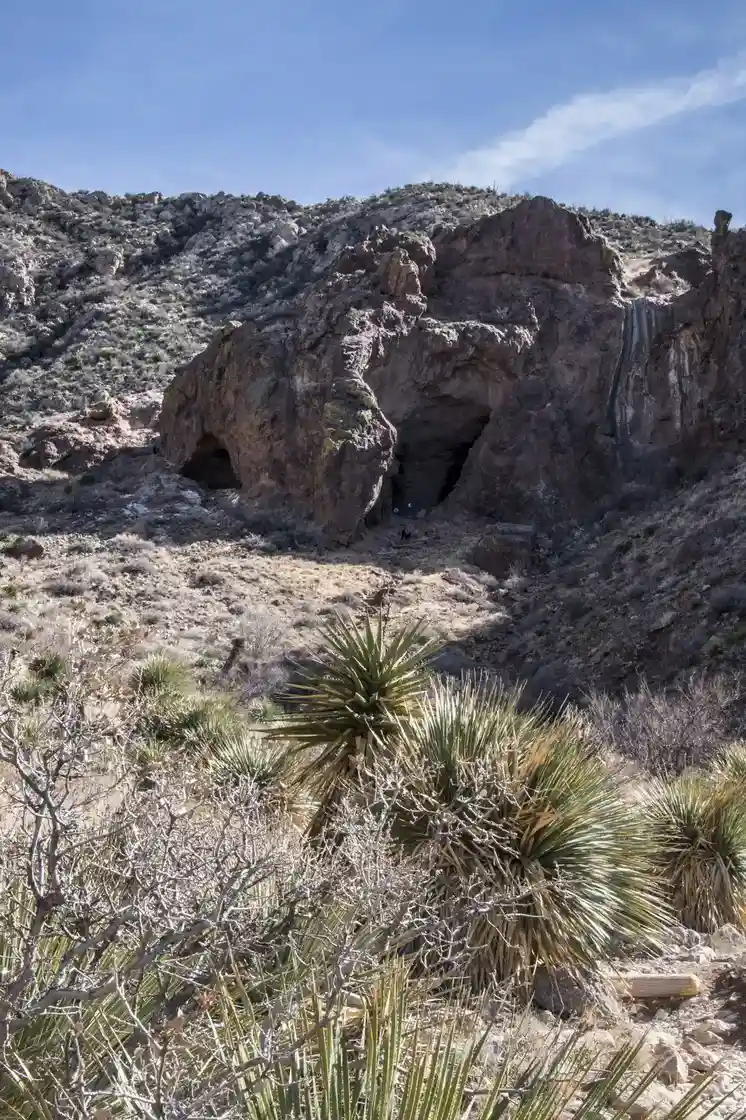
El Paso sits in the Chihuahuan Desert at about 3,740 feet, where the Rio Grande bends around the Franklin Mountains and the sun works at altitude strength. The city averages more than 300 days of sunshine a year, summer afternoons run past 100 degrees, and the ultraviolet index reaches levels that fade furniture, crack vinyl and cook the sealant out of window frames on the sun side of every house in town. Windows here do not age the way they age in milder places - they are sun-tested daily.
The second force is movement. A desert day can swing 25 to 30 degrees between dawn and afternoon, and it does so hundreds of times a year. Glass, vinyl, aluminum and wood all expand and contract at different rates through that swing, so every seal, every bead of caulk and every sash joint in an El Paso home is flexed daily. That is why the city's signature window failure is the fogged double pane: the insulated unit's edge seal, worked back and forth for years, finally lets desert air in.
How Energy Efficient Windows Works
Read the House's Heat Map
The assessment starts with orientation: which glass loads which rooms, and when. The specification follows the map.
Specify Glass for a Cooling Climate
Low-E type and solar heat gain targets are set per wall; U-factor and frame choices follow. Every number is explained in room terms, not brochure terms.
Seal the Opening, Not Just the Window
The rough opening is air-sealed and flashed as part of the job, because efficiency dies in the gaps around the frame.
Verify in the Room
The result is checked where it matters - at the glass, in the afternoon, in the room that used to be surrendered.
Doing It Yourself vs a Professional
The DIY Route
- Window films on the wrong glass can cook a sealed unit's seal from inside
- A high U-factor brag from a cold-climate brochure is the wrong spec here
- Efficiency claims without the installed air sealing are half a job
- Tinting dark to stop heat also stops the light - the coating exists to avoid that trade
VS
The Professional Route
- Ratings read for El Paso's climate zone, solar gain first
- Coatings specified per wall, not one spec for the whole house
- Rough openings air-sealed as part of the installation, every time
- The rating sheet left with you, explained line by line
Keep It From Coming Back
Efficiency is maintained, not just installed. The glass does its part daily; these habits keep the rest of the system from undoing it:
- Keep the coating's glass clean with soft cloths; abrasives scratch what you cannot see working
- Maintain the weatherstripping - air leaks bypass the best glass silently
- Use exterior shade on the worst west glass where the house allows it
- Keep interior shades for the peak hours; they are the second line, not the first
- Have failed units renewed promptly - a fogged unit has lost its rating with its seal
- Ask for the rating sheet at any quote and keep it with the house papers