Single Pane vs Double Pane in El Paso: An Honest Comparison
A single pane is a view with almost no insulation; a sealed double-pane unit is a view with a working barrier against heat, cold and noise.
Read the Guide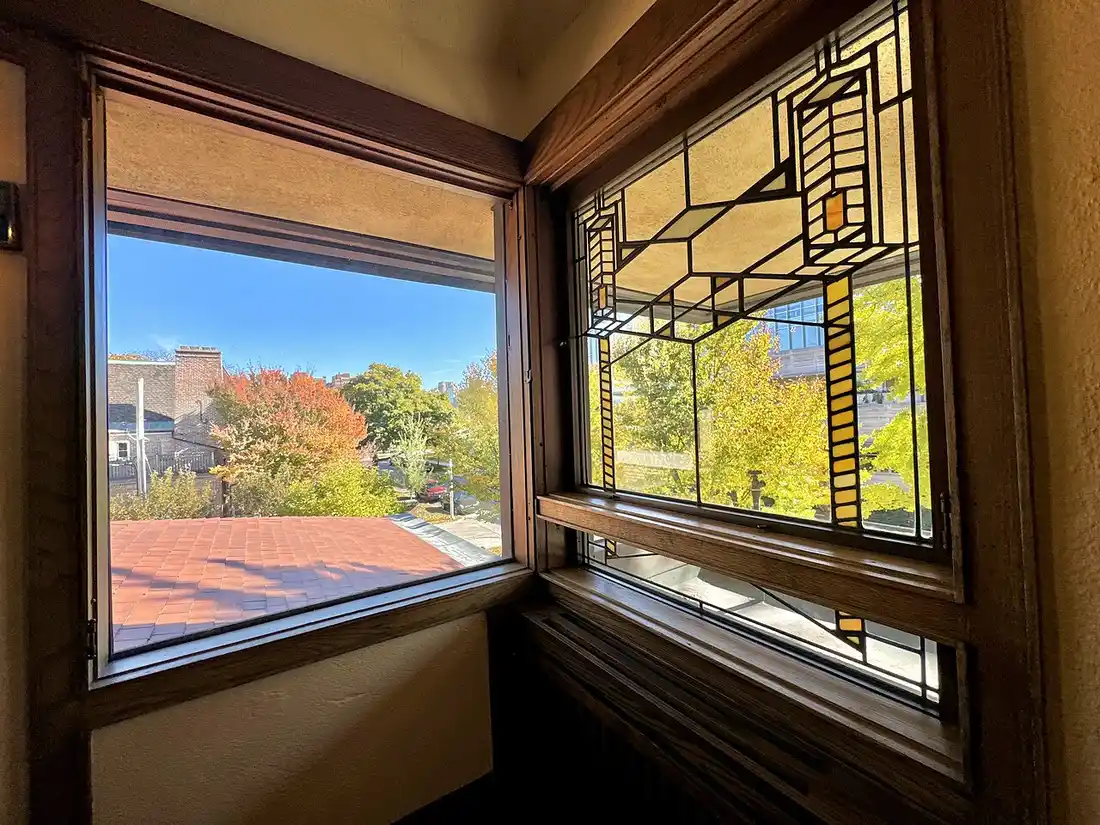
Window replacement figures vary so widely between El Paso homes that a number quoted without an assessment is a guess wearing a tie.
Problem: Window replacement figures vary so widely between El Paso homes that a number quoted without an assessment is a guess wearing a tie.
Solution: The scope is built from real factors: how many openings, their sizes, frame material and condition, glass specification, wall type and access.
When to call: Get the assessment. It is the only route to a figure you can hold anyone to.
Every homeowner asks it, and every honest professional answers it the same way: it depends - and then, if they are worth hiring, they show you exactly what it depends on. This guide lays out the factors that build a window replacement scope in El Paso, so the number you eventually hear arrives with its reasoning attached.
The second force is movement. A desert day can swing 25 to 30 degrees between dawn and afternoon, and it does so hundreds of times a year. Glass, vinyl, aluminum and wood all expand and contract at different rates through that swing, so every seal, every bead of caulk and every sash joint in an El Paso home is flexed daily. That is why the city's signature window failure is the fogged double pane: the insulated unit's edge seal, worked back and forth for years, finally lets desert air in.
The arithmetic starts with the openings: how many, and how big. A house of small double-hungs and a house of floor-to-ceiling picture glass are different projects wearing the same name. Custom sizes - common in El Paso's older and custom stock - are made to measure, and the measuring is part of the scope.
Sliders and patio doors count double in every sense: bigger glass, tempered where code requires, heavier hardware. When you compare two homes' replacement stories, compare their opening lists first.
Frame material is the largest single scope factor after the count. Vinyl, fiberglass, wood and aluminum-clad each carry their own material and labor logic, and the right choice follows the house - its era, its walls, its sun exposure - not a sales preference.
Frame condition decides the method too. Sound existing frames can allow an insert approach; failed frames require full-frame removal to the rough opening, which is more work and more wall finish to make good - and the only honest route when the frame is the problem.
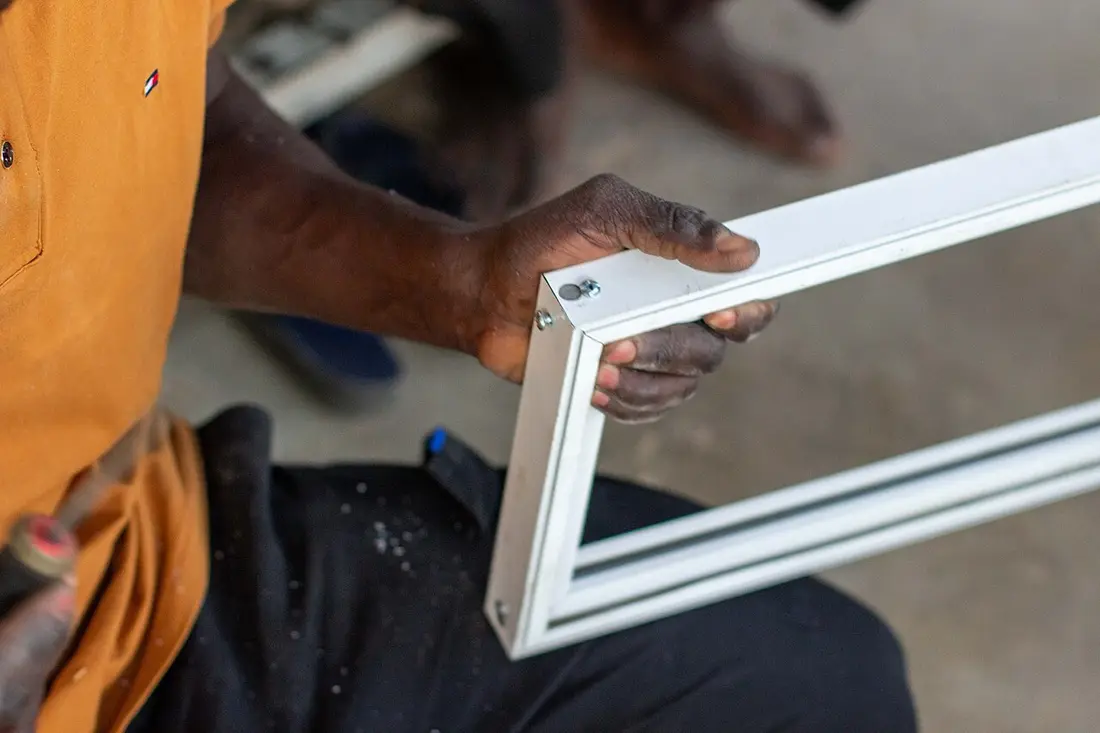

Glass is specified, not standard. Low-E coatings tuned for a cooling climate, double versus triple pane, tempered units near doors and floors, laminated glass where security or sound matters - each choice moves the scope, and each should be traceable to a wall and a reason.
The west walls of an El Paso home deserve their specification; the shaded north glass may not need it. A scope that prices one glass for the whole house is averaging your money across walls that do not need it.
Stucco, brick and adobe each make their own demands. Stucco must be cut and re-integrated with the flashing so the wall sheds water as designed; adobe openings are deep, irregular and structural; brick has its own lintel and tie logic. The wall is in the scope whether it is itemized or not.
Access matters too: second-story glass over a slope, openings above patios and additions, and interior finishes that must be protected all add the honest hours that separate a real scope from a curbside guess.
A proper assessment converts all of the above into a written scope: per-opening verdicts, the specification per wall, the method per frame, and the phasing options - worst first, or all at once. It also separates the windows that need work from the ones that do not, which is where an honest professional saves you the most.
Hold any figure you are given to that standard. If the number cannot show its factors, it is not a scope - it is a lure, and the difference will be collected later in change orders or in corners cut where you cannot see them.
The scope factor homeowners control most is sequence. A whole-house replacement in one mobilization prices differently per window than the same work split across years - but splitting lets the worst openings go first, spreads the spend, and matches the work to the failures as they actually arrive.
A good assessment prices both shapes: all-at-once, and the phased plan with the sun walls and failed units first. Seeing the two side by side is how a scope becomes a decision instead of a bill.
Two scopes for the same house can differ by a third and both be honest - because the specification differs: glass package, frame grade, method per opening. The trap is comparing their totals without comparing their contents.
Read any two quotes side by side by line: which glass on which wall, insert or full-frame, what wall finish is included. The cheaper total with the thinner contents is not the cheaper job; it is the smaller one wearing the same name.
A scope becomes useful when it can be checked against the finished work: these openings, this glass, that method, those finishes. Keep the document, walk the finished job against it line by line, and the figure you paid becomes a figure you verified.
That is the real difference between a price and a scope. A price is a hope with a currency symbol; a scope is a list of promises specific enough to keep. El Paso homeowners who insist on the second rarely regret the first.
Replacement deserves one more distinction: it is the only window job that renews everything at once - frame, sash, glass, seals and hardware - which is why its results feel disproportionate. Homeowners describe replaced houses as quieter before they say warmer or cooler, because the new seals close a hundred small air paths the old frames had opened over decades.
That is the service side of this guide's subject. When you are ready, the Window Replacement page carries the process, the coverage by neighborhood and the number to call.
Walk the house and count: sizes, types, which are single or double, which misbehave. Your list is the skeleton of any scope.
Frame material per opening, wall type per elevation. Stucco, brick and adobe change the labor, and knowing yours sharpens every conversation.
Note which glass takes the afternoon sun. That is where the glass specification earns its money, and where phasing usually starts.
Per-opening verdicts, specifications and phasing in writing - the document that makes any figure real.
Openings counted, with sizes and types noted per room
Frame material and condition listed per opening
Wall type marked per elevation - stucco, brick, adobe, frame
Sun walls flagged for the glass specification they will need
A written scope names, per opening: the verdict, the method (insert or full-frame), the frame and glass specification, and the wall finish included. Anything not named is not in the scope, whatever the conversation suggested.
It also states the phasing options with their own figures, the work's sequence, and what the finished job will be verified against - sash operation, seals, drainage and finishes.
A professional builds the figure from the openings outward, never from a rate inward. The visit produces the count, the measures, the frame verdicts and the wall notes; the office turns them into a scope whose every line can be traced to something seen in the house. When a line cannot be traced, it comes out.
Comparing quotes by total without comparing their contents line by line
Letting a phone figure anchor the budget before any opening was measured
Forgetting the wall finish in the scope and meeting it later as a change order
Specifying one glass for the whole house to simplify the quote
A window replacement figure is trustworthy exactly when its factors are visible. Count the openings, read the frames, specify the glass per wall, respect the wall around the hole - and the number that emerges is one you can plan a household around.
A single pane is a view with almost no insulation; a sealed double-pane unit is a view with a working barrier against heat, cold and noise.
Read the GuideDesert windows are kept, not just bought: dust cleared from tracks and drainage, seals read each fall, sun-side units watched each winter.
Read the GuideBecause the factors on this page - count, size, frame, glass, wall - cannot be known from a phone call. A phone figure is either padded against the unknowns or built to be revised upward later. The assessment exists to replace both with a real scope.
Per window, usually yes - one mobilization, one mess. But phasing the worst first is financially legitimate and common. The assessment shows both plans so the choice is yours with the arithmetic visible.
The wall. Stucco integration and adobe openings surprise homeowners who priced the window and forgot the hole it lives in. Professionals do not forget it, which is why their scopes differ from window-only math.
On the sun walls of a single-pane house, the savings are real and the comfort is immediate; whole-house payback arithmetic depends on your stock and your usage. The honest assessment talks in rooms and loads, not slogans.
One call connects you with a window professional serving El Paso and the surrounding communities - assessment, repair, glass and full replacement.
📞 Call Now