Bay & Bow Windows Through the El Paso Year
Fall is the working window - the mild weeks between the monsoon and the cold nights, and the season El Paso professionals are busiest for a reason. Seals, caulk lines and hardware get attention now, replacement projects run in comfortable weather, and the house goes into winter with glass that will not sweat and frames that will not leak the first cold night away.
Winter in the desert is a night season. Days can be mild, but nights drop toward freezing, and that is when the window report card arrives: condensation on single panes, drafts at stiffened seals, and the fogged units showing white between the glass on cold mornings. Winter exposes exactly which windows have been waiting for attention.
Spring is wind season in El Paso. Gusts off the Franklins carry desert dust that packs into slider tracks, clogs weep holes and grinds in sash channels, and every weak weatherstrip in the city announces itself with a dust line on the sill. The spring check is mechanical: run every window, clear the tracks and weep holes, and look hard at the weatherstripping before the heat arrives.
Bay & Bow Windows in Depth
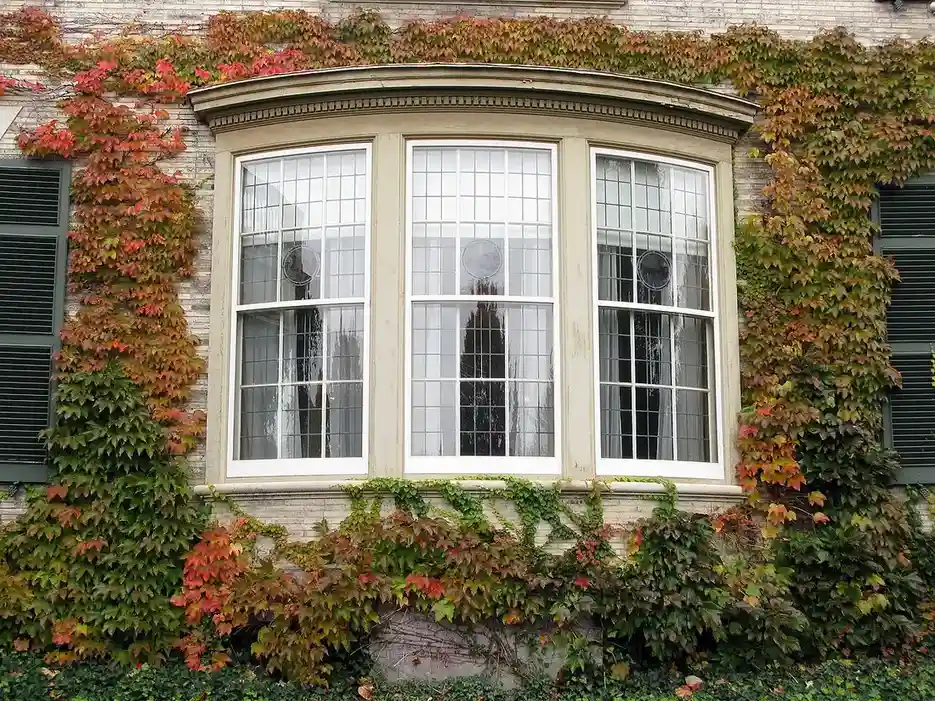
A bay is a small building attached to a larger one, and it repays being thought of that way: it has foundations of a sort in its supports, walls in its faces, and a roof that must shed the monsoon like any roof. The professionals who serve bays best carry both trades in their heads - the glazier's and the carpenter's - because the bay refuses to be only one.
The seat is the bay's gift and its gauge. It is where the household actually lives with the window - reading, plants, the cat's claim - and it is where the assembly's health is felt first: solid and warm when the bay is right, soft and cold when it is not.
Choosing the Right Help
Choose for the assembly: a professional who inspects the supports and the little roof before quoting the glass understands what a bay is. The quote should read like the structure it serves.
The Local Picture
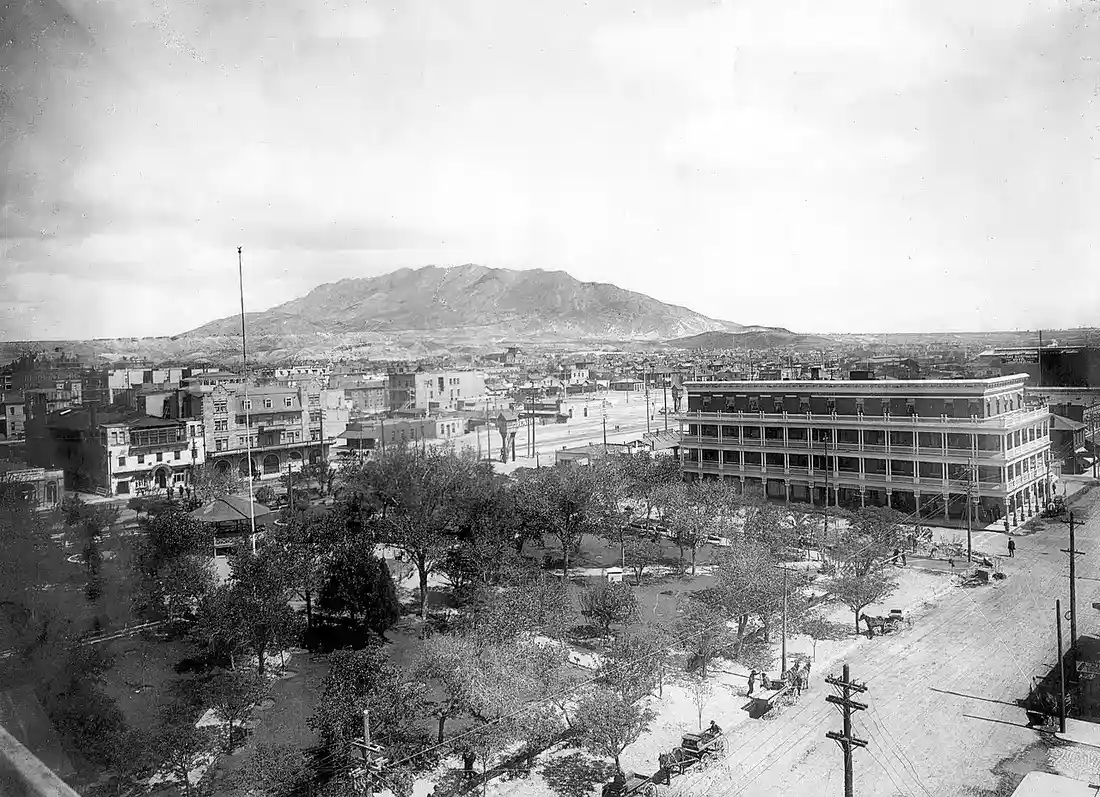
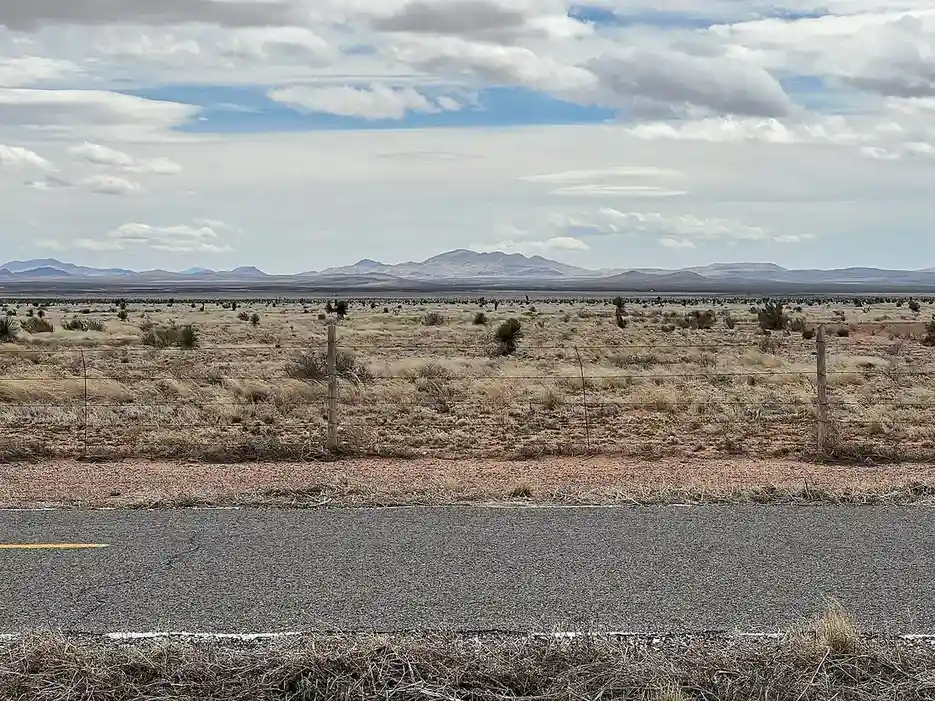
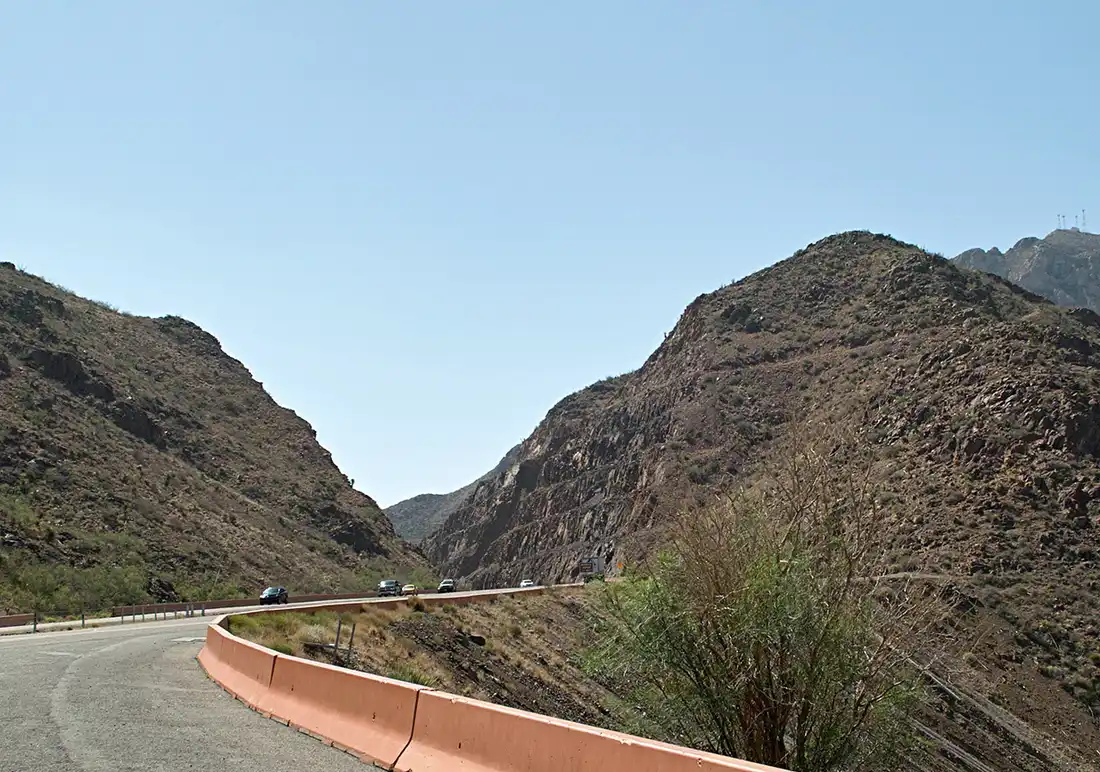
El Paso sits in the Chihuahuan Desert at about 3,740 feet, where the Rio Grande bends around the Franklin Mountains and the sun works at altitude strength. The city averages more than 300 days of sunshine a year, summer afternoons run past 100 degrees, and the ultraviolet index reaches levels that fade furniture, crack vinyl and cook the sealant out of window frames on the sun side of every house in town. Windows here do not age the way they age in milder places - they are sun-tested daily.
The second force is movement. A desert day can swing 25 to 30 degrees between dawn and afternoon, and it does so hundreds of times a year. Glass, vinyl, aluminum and wood all expand and contract at different rates through that swing, so every seal, every bead of caulk and every sash joint in an El Paso home is flexed daily. That is why the city's signature window failure is the fogged double pane: the insulated unit's edge seal, worked back and forth for years, finally lets desert air in.
How Bay & Bow Windows Works
Read the Whole Assembly
Structure first: supports, seat, head and roof, then joints, then glass. The verdict covers the bay as one piece of building.
Specify Per Face
Each face gets its glass specification by orientation - the center and the flanks live in different sun.
Renew Structure and Joints
Supports and seat repaired or renewed, mullions resealed, the little roof and its flashing made weather-honest.
Glass Set and Sealed
Units set per face, sashes run, and the seat left solid, dry and ready to be sat in.
Doing It Yourself vs a Professional
The DIY Route
- A bay is load-bearing carpentry; the seat and supports are not a weekend experiment
- Water above a bay travels - chasing the stain instead of the source repaints the problem
- Angle joints need the right backer and sealant sequence, not a bead over a gap
- The glass sizes in a bay are custom to the fraction; a wrong unit has no home
VS
The Professional Route
- The assembly verdicted whole - structure, roof, joints and glass in one read
- Glass specified per face, because the bay lives in three suns at once
- Flashing and the little roof treated as part of the window job
- Seat and supports left solid enough to forget about
Keep It From Coming Back
A bay is an assembly, and assemblies are kept by watching their joints. The bay owner's short list:
- Keep the bay's little roof and its flashing on the annual look-list
- Never store heavy loads on the seat beyond its design - it is structure, not shelving
- Watch the mullion joints each fall for the first hairline gap
- Keep the seat's interior dry; a spill left standing finds the structure
- Run the flank sashes seasonally - they are the bay's ventilation
- Read center-unit fog as the assembly's early warning, not just a glass note