Windows - El Paso, Texas

Storm Windows in El Paso, TX

Storm windows in El Paso - the second skin that lets historic wood windows survive, seal and quiet down without losing them.

Spring brings the third force - wind and dust. From February into May, winds pour off the mountains and across the desert floor, carrying fine dust that finds every gap in a window's weatherstripping and packs into tracks, weep holes and screens. A window that seals poorly in El Paso does not just leak air; it leaks the desert itself, and the dust line inside the sill tells the story after every storm.

Then the monsoon arrives, July through September, and tests the other side of the window. Sudden hard rain driven by storm wind probes every frame joint and flashing line, and water that gets behind a frame in a stucco wall can travel before it shows. Winter answers with cold desert nights that drop toward freezing - the moment single panes sweat, older seals stiffen, and the difference between one pane of glass and two becomes the difference between a comfortable room and a cold one.

Signs You Need Storm Windows

Original Sash Worth Keeping, Comfort Worth Having

The classic historic-district equation: the wood is sound and beautiful, the single pane is a weather surface. The storm solves the second without touching the first.

Winter Condensation on Old Glass

A storm adds the still-air layer that lifts the inner glass temperature - the end of most sweating on original sash.

Drafts Around Century-Old Sashes

Old sash was built to tolerances the desert has widened. The storm's seal does the sealing the sash no longer can.

Street Noise in the Old Neighborhoods

Two layers of glass with an air gap quiet a street the way one layer never will.

Paint Failing Faster Than It Should

The storm takes the UV and the driven rain; the sash behind it keeps its paint years longer.

Existing Storms That Rattle or Gap

A storm hanging loose is a drum in the wind and a sieve for dust. Refitting or renewing it restores all three of its jobs.

Why Storm Windows Is a Standing Job in El Paso

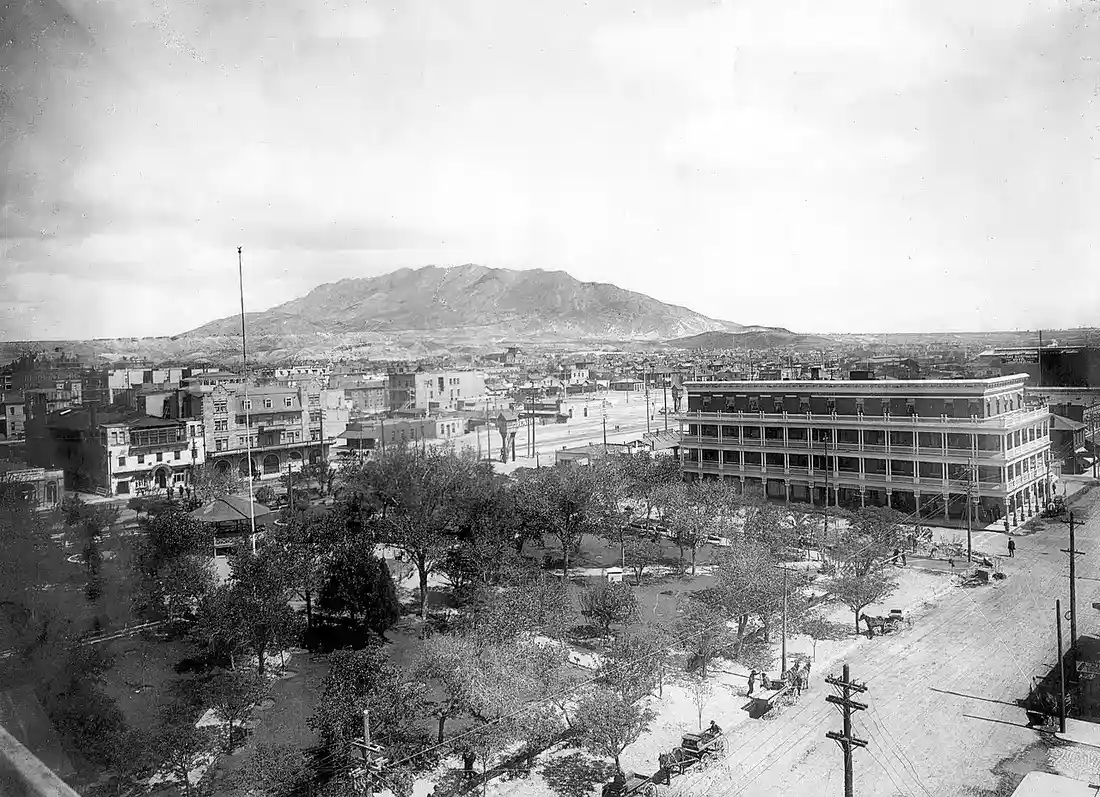
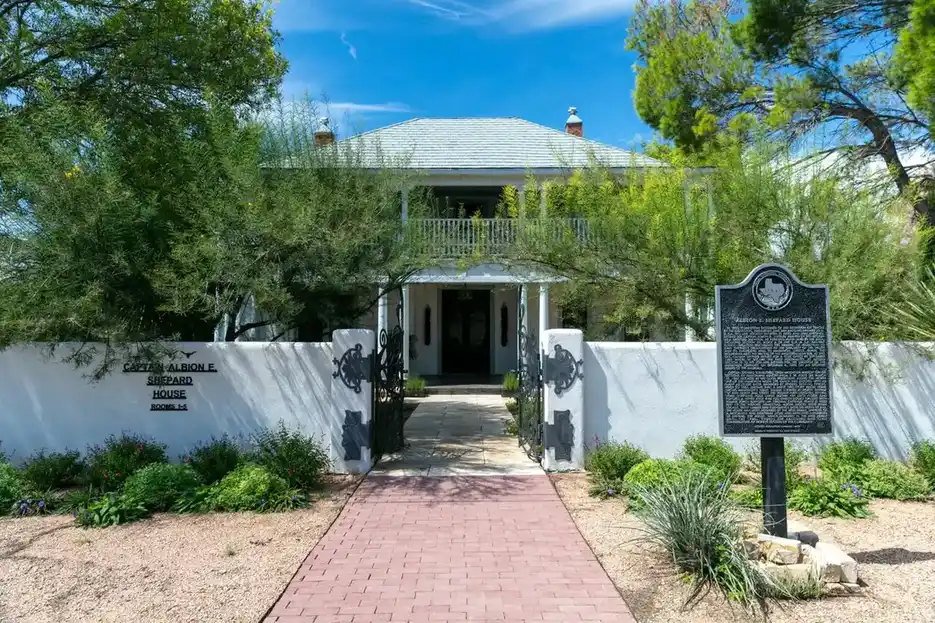
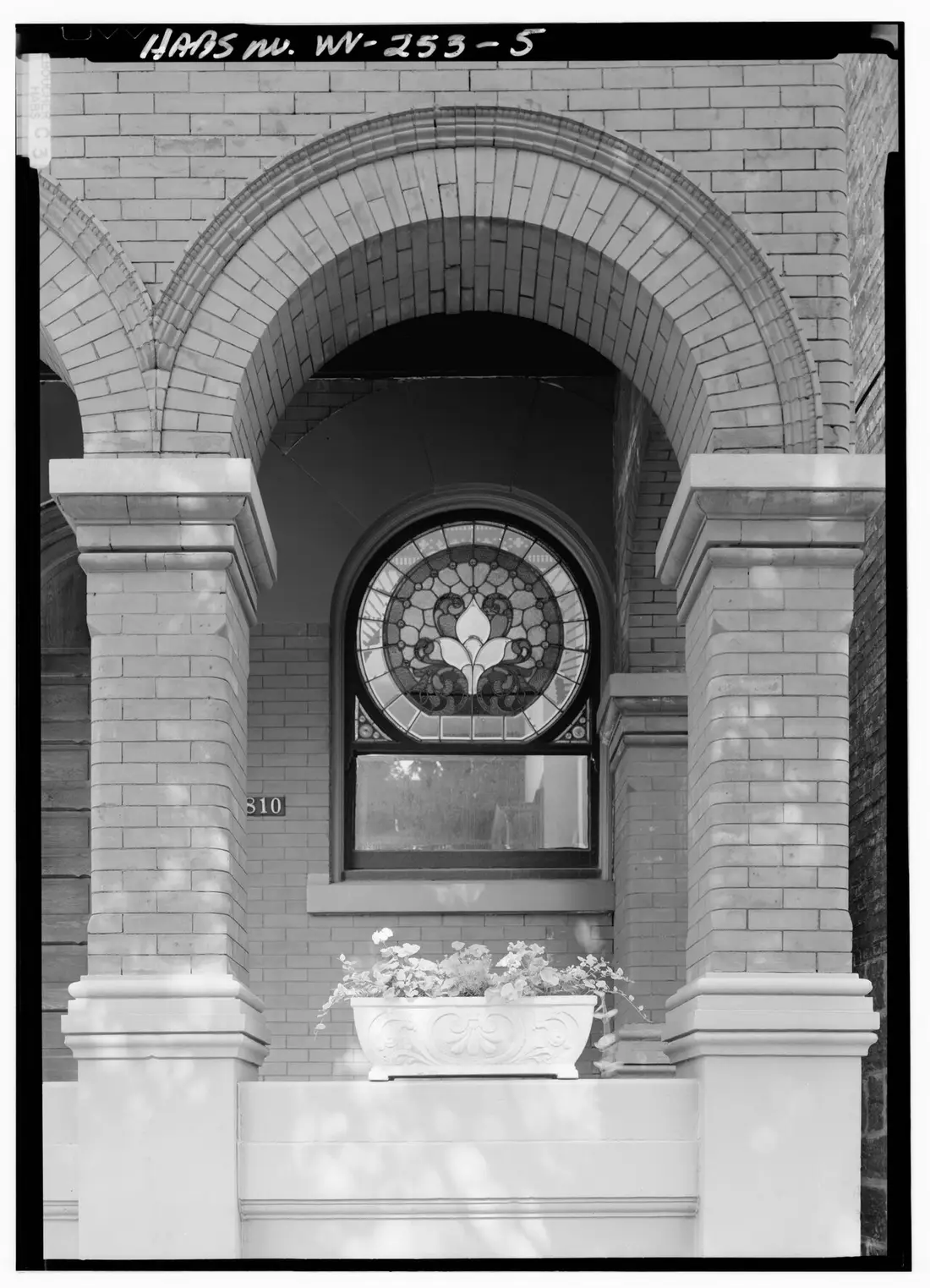
El Paso's historic districts - Kern Place, Sunset Heights, the old valley towns - hold the city's irreplaceable glass: wavy, hand-made panes in wood sash built before the First World War. Replacement would trade that away for a modern unit; the storm window is how those houses get modern comfort without the trade.

The physics is the still-air layer. A tight storm panel turns the space between storm and sash into insulation, roughly doubling the window's thermal performance and ending the worst of the drafts, while the primary sash - the part with the history - stays in place, protected from the weather that ages it.

The desert adds its terms: the storm must shed monsoon water, vent its air layer just enough at the bottom to stay dry, and stand up to UV that embrittles cheap panels. Fitted with those terms honored, storms are why El Paso's oldest windows are also, often, its most comfortable.

Storm Windows Through the El Paso Year

Summer is the sun's season. Afternoon temperatures pass 100 degrees, west glass takes hours of direct load, and single-pane rooms on the sunset side of the house become the rooms nobody uses. Low-E double panes earn their keep now, failed units fog less visibly but the heat gain through tired glass is measured in the rooms the air conditioner cannot save.

Spring is wind season in El Paso. Gusts off the Franklins carry desert dust that packs into slider tracks, clogs weep holes and grinds in sash channels, and every weak weatherstrip in the city announces itself with a dust line on the sill. The spring check is mechanical: run every window, clear the tracks and weep holes, and look hard at the weatherstripping before the heat arrives.

Winter in the desert is a night season. Days can be mild, but nights drop toward freezing, and that is when the window report card arrives: condensation on single panes, drafts at stiffened seals, and the fogged units showing white between the glass on cold mornings. Winter exposes exactly which windows have been waiting for attention.

Storm Windows in Depth

The storm window has a pedigree: it is the technology that carried northern houses through a century of winters, adapted here to a different examiner. In El Paso the cold night is brief but the sun and dust are permanent, and the storm serves against all three - which is why the valley's and the historic districts' best-kept houses wear them year-round.

There is an ethic in the storm worth naming: it is the upgrade that takes nothing away. The original sash, the wavy glass, the proportions the architect drew - all stay. In a city whose oldest neighborhoods are its treasury, the reversible improvement is the respectful one.

Choosing the Right Help

Choose the fitter who measures every opening and talks about weep holes unprompted. In storm work, the details are not details - they are the entire difference between protection and a moisture trap.

The Local Picture

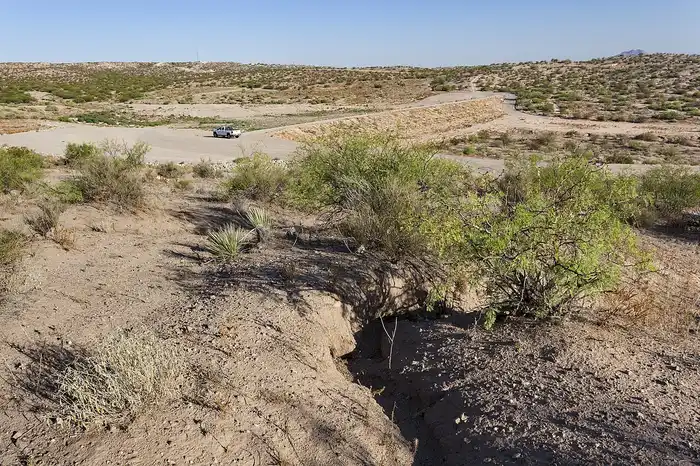
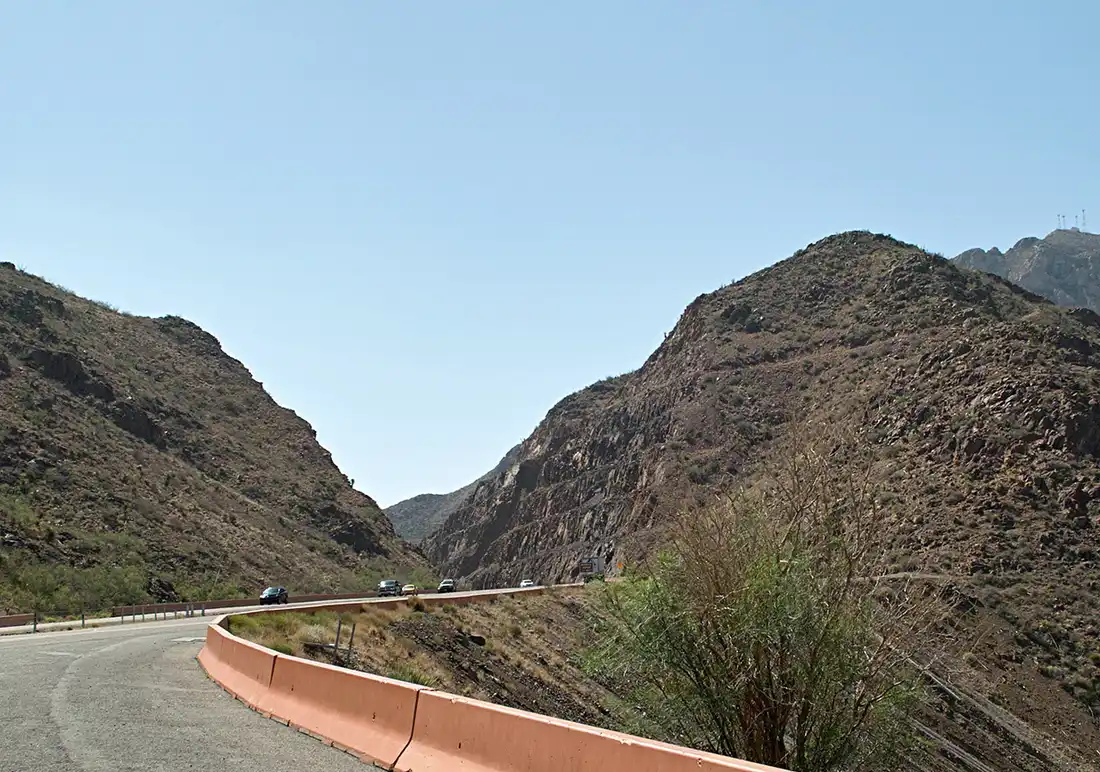
El Paso sits in the Chihuahuan Desert at about 3,740 feet, where the Rio Grande bends around the Franklin Mountains and the sun works at altitude strength. The city averages more than 300 days of sunshine a year, summer afternoons run past 100 degrees, and the ultraviolet index reaches levels that fade furniture, crack vinyl and cook the sealant out of window frames on the sun side of every house in town. Windows here do not age the way they age in milder places - they are sun-tested daily.

The second force is movement. A desert day can swing 25 to 30 degrees between dawn and afternoon, and it does so hundreds of times a year. Glass, vinyl, aluminum and wood all expand and contract at different rates through that swing, so every seal, every bead of caulk and every sash joint in an El Paso home is flexed daily. That is why the city's signature window failure is the fogged double pane: the insulated unit's edge seal, worked back and forth for years, finally lets desert air in.

How Storm Windows Works

Read the Primary Sash First

The original window is assessed - wood condition, putty, operation. Storms protect sound sash; they are not a cover for rot.

Measure Every Opening

Historic openings are individual - settled, racked, rarely square. Each storm is made to its opening, not to a size chart.

Fit, Hang and Seal

Panels are hung plumb and tight, sealed at head and sides, with the bottom weep left open so the air layer breathes dry.

Operate and Verify

Every storm and sash is run, latched and checked - the pair working as the system they now are.

Doing It Yourself vs a Professional

The DIY Route

  • A storm hung over rotted sash preserves the rot, not the window
  • Historic openings are out of square in individual ways; a stock panel fits none of them well
  • Sealing a storm tight all round is the classic error - the bottom must weep
  • Old glass is irreplaceable; handling century-old sash is not the place to learn by doing
VS

The Professional Route

  • The primary sash verdicted honestly before any storm is hung
  • Every panel made to its own opening's actual shape
  • Sealed where it should seal, weeping where it must weep
  • Original glass and hardware handled as the artifacts they are

Keep It From Coming Back

Storms protect the sash, and a little care protects the storms. The historic homeowner's rhythm:

  • Keep the storm's bottom weep slots open - a sealed storm traps the moisture it was meant to shed
  • Wash both layers' facing glass in the mild season; the air layer stays cleaner for it
  • Repaint sash on its cycle - the storm slows the weather, it does not stop time
  • Check putty lines on the primary sash each fall
  • Store removable panels flat and labeled by opening; no two historic openings match
  • Watch for condensation between the layers - it reports a vent or seal fault, fixable early
Storm Windows in the Surrounding Communities

The communities around the city carry the same desert and the same questions - here is this service where the valley meets the desert edge.

Storm Windows in San Elizario

San Elizario is the historic heart of the lower valley - a presidio town from 1789, once the county seat, with an adobe historic district around its chapel and plaza. Quiet, rural and proud of its age, it sits twenty minutes southeast of El Paso.

Storm Windows in Clint

Clint is a small farming town in the lower valley, surrounded by cotton and alfalfa fields along the Rio Grande. Generations of farm families live here in homes that range from old adobe to modern builds, all under the full desert sky.

Storm Windows in Fabens

Fabens is the last valley town before the desert runs east, a farming community near the port of entry to Mexico. Small, quiet and agricultural, it shares the lower valley's history and its building stock.

Storm Windows in Horizon City

Horizon City grew from a 1960s desert development into one of the fastest-growing communities in the county, east of El Paso along Horizon Boulevard. Golf-course lots from the original plan sit beside street after street of new subdivisions.

Where Storm Windows Is Needed Most

Start with the high ground and the historic core - Westside, Upper Valley, Kern Place, Sunset Heights, Downtown, Central El Paso. The mountain-side and streetcar-era streets hold the city's oldest glass and its hardest sun angles, and storm windows there is as much preservation judgment as product choice.

The middle band - Northeast El Paso, North Hills, Eastside, Far East El Paso, Mission Valley, Lower Valley, Socorro - is the postwar and valley city: ranches, subdivisions and river-bottom homes where storm windows runs street after street of the same era's frames reaching the end of their seals together.

And the growth edges - San Elizario, Clint, Fabens, Horizon City, Canutillo, Anthony, Sunland Park - where newer subdivisions and valley towns put builder-grade glass into open desert. storm windows there is young work, but the desert grades it on the same four tests.

Coverage, In Full

One more thing the map shows: storm windows in El Paso is not one job repeated. The full local picture - every neighborhood's housing era, exposure and failure pattern - is laid out across the area pages linked above, and this service's page for each of them. Read your own area's page before you call: the questions it raises are the ones a good assessment answers, and knowing them puts you in charge of the conversation.

From the El Paso Guides

Storm Windows Questions

How much insulation does a storm window add?

A tight storm roughly halves the heat flow through a single-pane window and cuts air leakage by more than that - the pair performs near an early double-pane unit, with the original sash kept.

Do storm windows cause condensation problems?

The reverse, when fitted right: the storm raises the primary glass temperature, ending room-side condensation. Moisture between the layers means the weep or a seal needs attention - a maintenance note, not a design flaw.

Are storms permanent or seasonal here?

In El Paso most are permanent - the desert's sun and dust make the second skin useful all year, not just in winter. Removable panels exist for owners who prefer the seasonal ritual.

What do storms cost compared with replacement?

Per opening, storms are the smaller job by a wide margin - and they preserve the asset replacement would discard. The comparison is part of any honest assessment in the historic districts.

Will storm windows really make my old El Paso house comfortable?

They are the single biggest comfort step available to a El Paso historic home that keeps its sash: the drafts stop, the winter glass warms, and the street quiets. Owners consistently rank it the best money spent on the old windows.

Do storms change how my El Paso home looks?

A well-fitted storm sits in the opening's plane and reads as part of the window. In El Paso's historic streets they are the norm, not the exception - most fine old houses you admire are wearing them.

Can storms go over steel casements in El Paso too?

Yes - interior and exterior storm solutions exist for the steel casement stock in El Paso as well as for wood sash. The fitting differs; the still-air principle is the same.

Should I repair the sash first, or storm first, in El Paso?

Sash first where it needs it - sound wood, honest putty - then the storm protects the repair. The assessment in El Paso sequences the two so neither is wasted.

Please note: Windows El Paso is an independent directory and referral service, not a window contractor. The professionals reachable through this site are independent businesses; any agreement for work is between you and the professional you engage. Service information on this site is general educational material - the scope of any real work is set by an on-site assessment.

Fogged Glass, a Broken Pane or Windows That Will Not Open?

One call connects you with a window professional serving El Paso and the surrounding communities - assessment, repair, glass and full replacement.

📞 Call Now
📞 Call Now